
Pregnancy is known to reshape the brain, but new research reveals that these changes do not stop after the first child. Scientists at Amsterdam UMC have found that a second pregnancy also reshapes the female brain. Earlier work by the same…
Category: 5. Biology
-
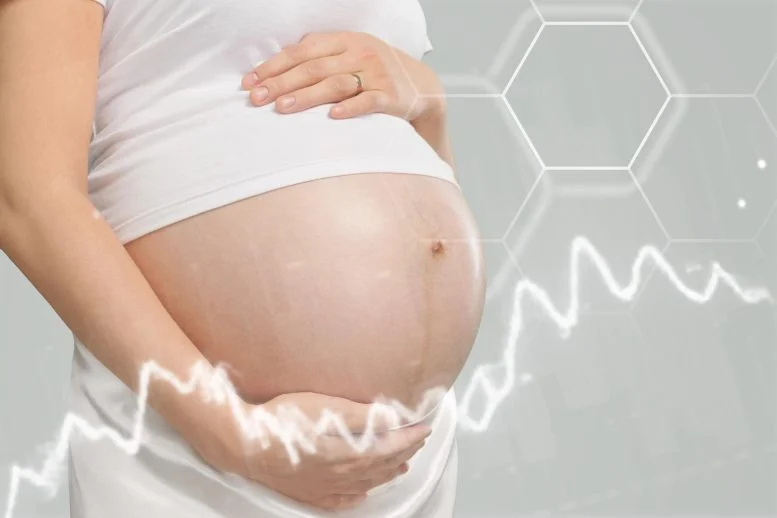
Scientists Discover Second Pregnancy Rewires the Brain in New Ways
-
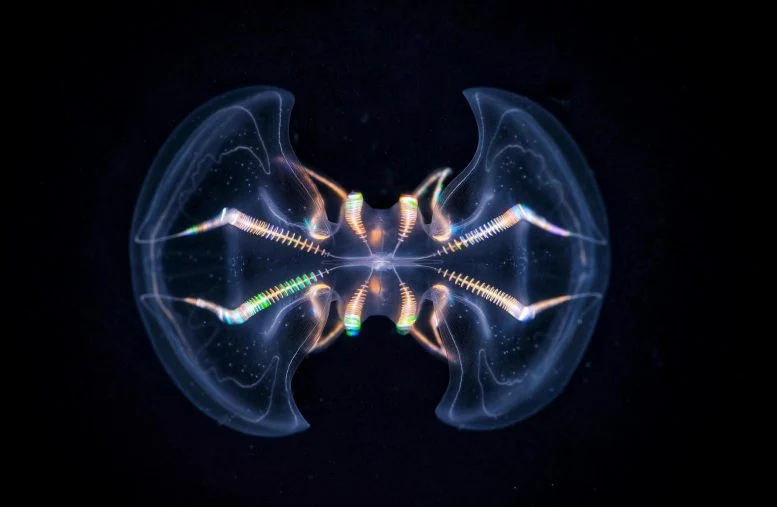
This 550-Million-Year-Old Creature May Already Have Had a Brain
Scientists have uncovered surprising complexity in a tiny sensory structure found in comb jellies, some of the oldest animals on Earth. New three-dimensional reconstructions of an important sensory organ in comb jellies reveal a level of…
Continue Reading
-
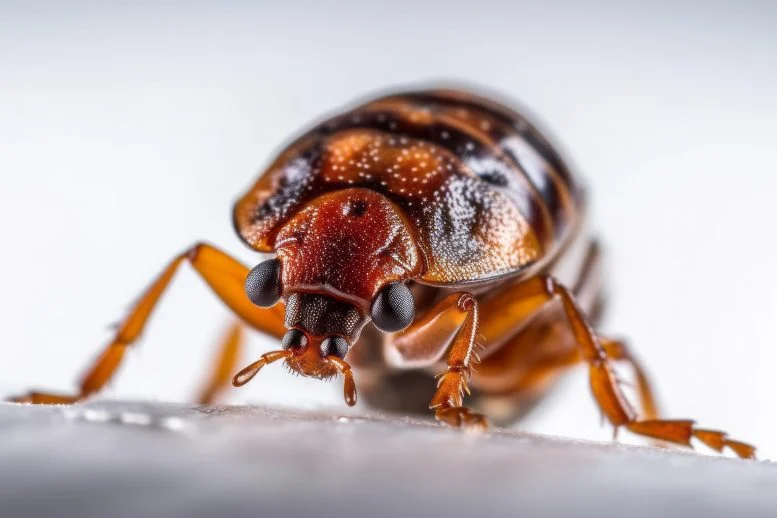
Bed Bugs Are Terrified of This Simple Thing, Study Finds
New research reveals that bed bugs strongly avoid water and moisture. People often dread bed bugs, and for good reason. Once these blood-feeding insects establish themselves inside a home, they can be extremely difficult to eliminate. However,…
Continue Reading
-
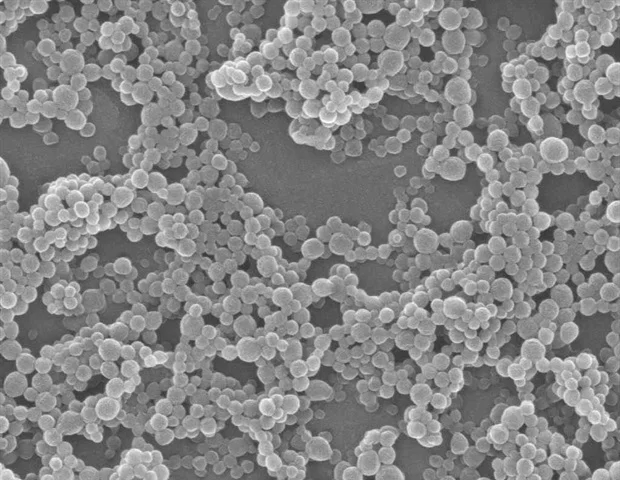
Simplified nanoparticles “educate” the immune system to find and destroy disease-causing cells
Johns Hopkins Medicine scientists say they have developed a simplified version of biodegradable nanoparticles that can “educate” the immune system to find and destroy disease-causing cells throughout the body. The study, they say,…
Continue Reading
-
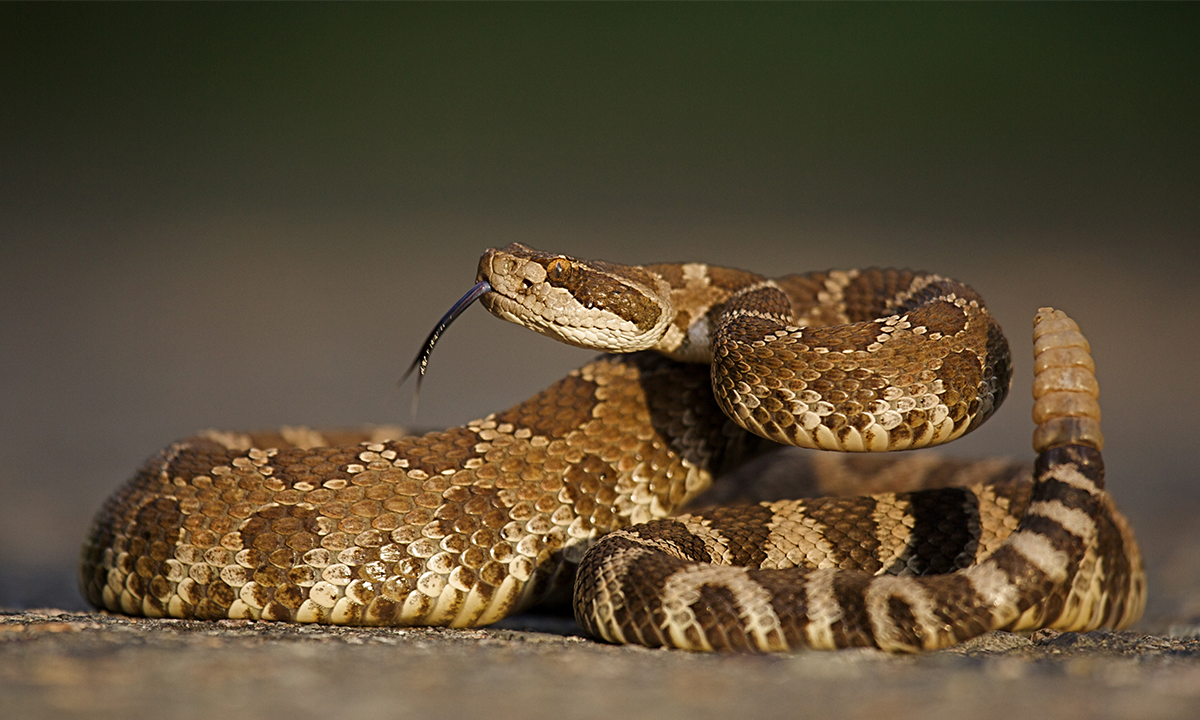
The Iconic Longevity of the Rattlesnake’s Warning
When people think about snakes, rattlesnakes invariably come to mind, even though they constitute just two of the more than 500 genera of snakes. Only the pit vipers (Crotalus) and the massasaugas (Sistrurus) have the unique adaptation of loosely…
Continue Reading
-
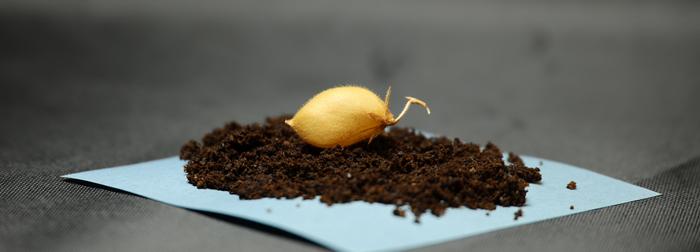
Lunar regolith simulant used to grow chickpeas
How will astronauts grow food during long-term missions to the Moon? This is what a recent study published in Scientific Reports hopes to address as a team of scientists investigated the prospect of growing…
Continue Reading
-
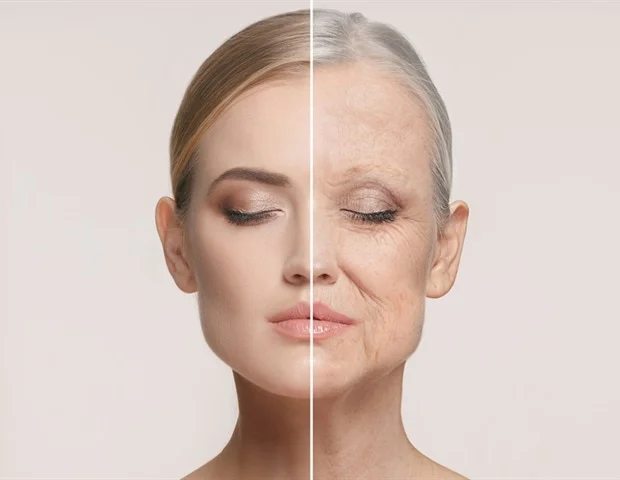
Scientists map epigenetic changes across aging brain cells
Neurodegenerative diseases affect more than 57 million people globally. The incidence of these diseases, from Alzheimer’s to Parkinson’s to ALS and beyond, is expected to double every 20 years. Though scientists know aging is a…
Continue Reading
-
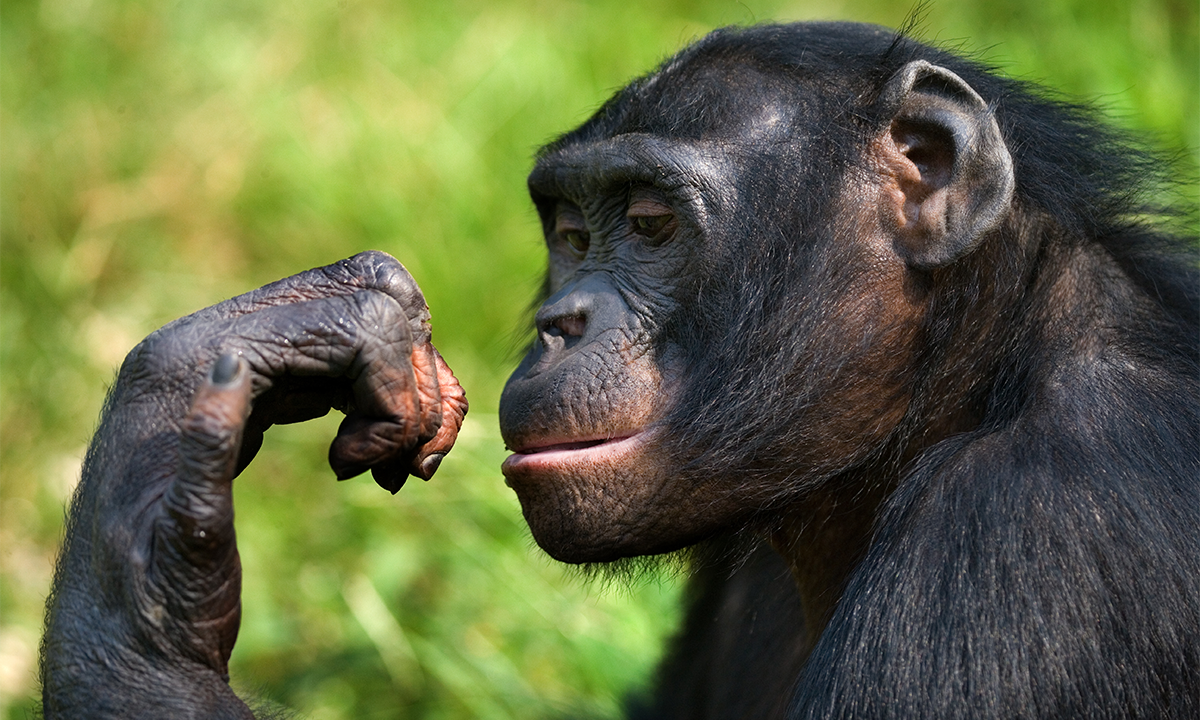
Bonobos May Not Be the Peaceful Apes We Imagined
Our two closest relatives, bonobos (Pan paniscus) and chimpanzees (Pan troglodytes), are popular research subjects. Because they share about 90 percent of our DNA and many of our characteristic behaviors, such as playing make-believe,…
Continue Reading
-
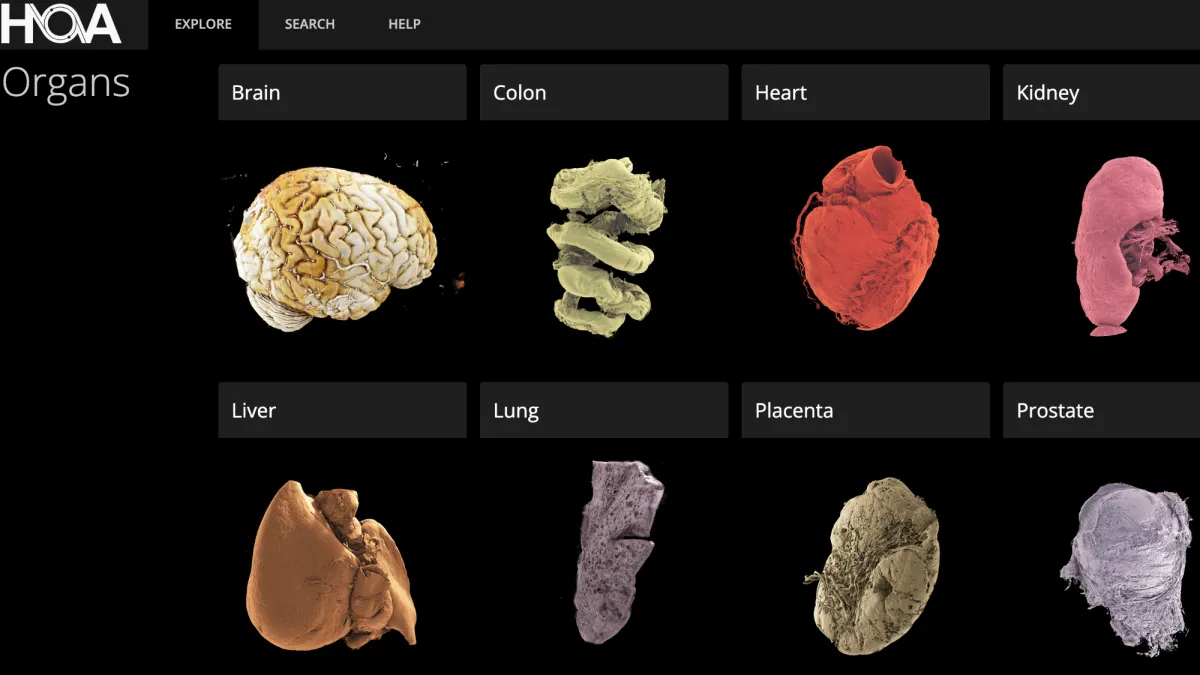
Explore the human body in stunning, 3D detail with a new online tool
If watching The Pitt is giving you a renewed interest in the human body in…
Continue Reading
-
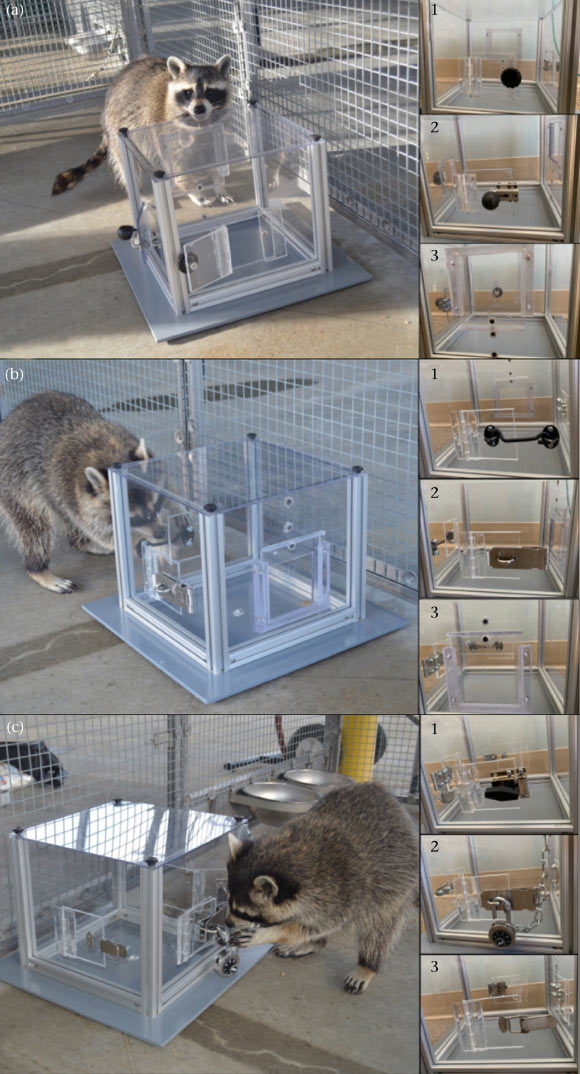
Study: Raccoons Don’t Just Solve Puzzles for Food, They Do It for Fun
In a new study led by University of British Columbia Ph.D. student Hannah Griebling, raccoons (Procyon lotor) continued manipulating complex puzzle boxes long after retrieving the only marshmallow reward, suggesting the animals seek…
Continue Reading