
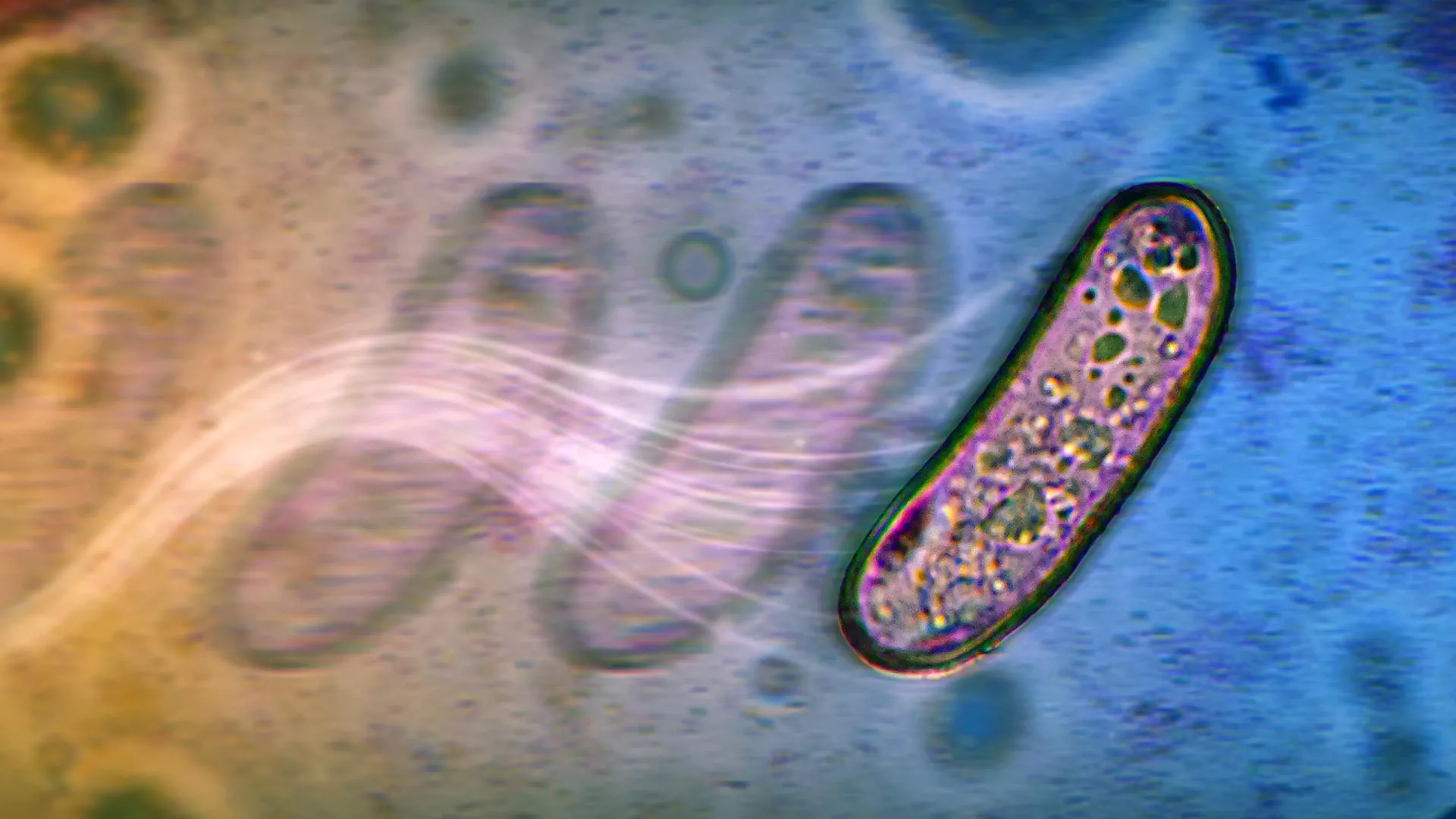
New research from Arizona State University shows that bacteria can travel in unexpected ways even when their usual propulsion system fails. Normally, bacteria move using flagella, slender, whip-like structures that spin to push the cells forward….
Category: 5. Biology
-
Using blood proteins to make living brains transparent
Making a living brain transparent and watching its neurons fire without disturbing their function-sounds like science fiction, doesn’t it? Yet the solution may already exist within our own bodies.
In a study published in Nature…
Continue Reading
-
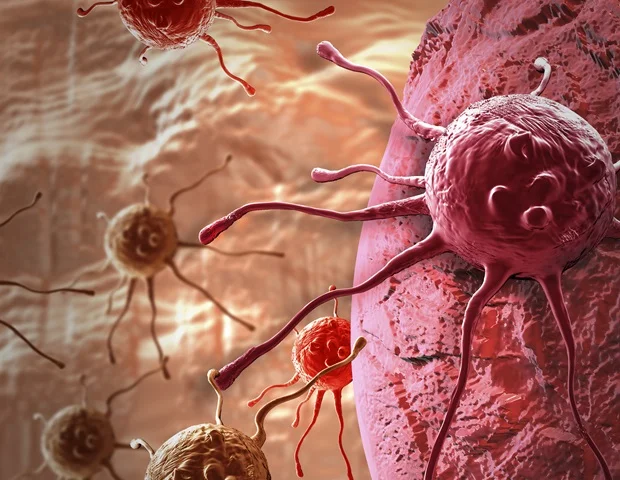
Predicting cancer behavior through splicing fingerprints
Cancer is caused by faulty genes, but what also shapes a cancer cell’s behaviour is how a gene’s instructions are trimmed and rearranged before they are turned into the proteins that keep a cell alive.
A study published in Nature…
Continue Reading
-
Cambridge’s LED breakthrough reinvents drug synthesis
Scientists at the University of Cambridge have developed a new way to alter complex drug molecules using light rather than toxic chemicals – a discovery that could accelerate and improve how medicines are designed and…
Continue Reading
-
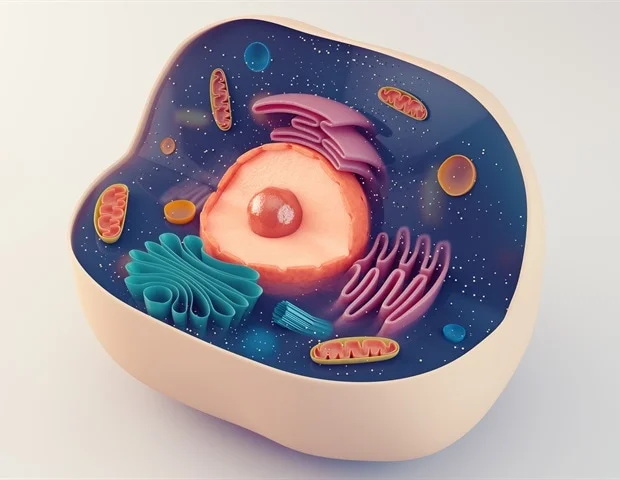
NUS uncovers NuSAP’s role in centriole stability
Biologists at the National University of Singapore (NUS) have uncovered how the protein NuSAP safeguards tiny structures inside cells called centrioles, revealing a mechanism linked to developmental disorders such as microcephaly…
Continue Reading
-
New imaging method maps gene activity across entire zebrafish embryo
How does a tiny cluster of cells become an embryo with a head, trunk, and tail? And how do thousands of genes coordinate this development? A new imaging method makes it possible to visualize the activity of thousands of genes…
Continue Reading
-
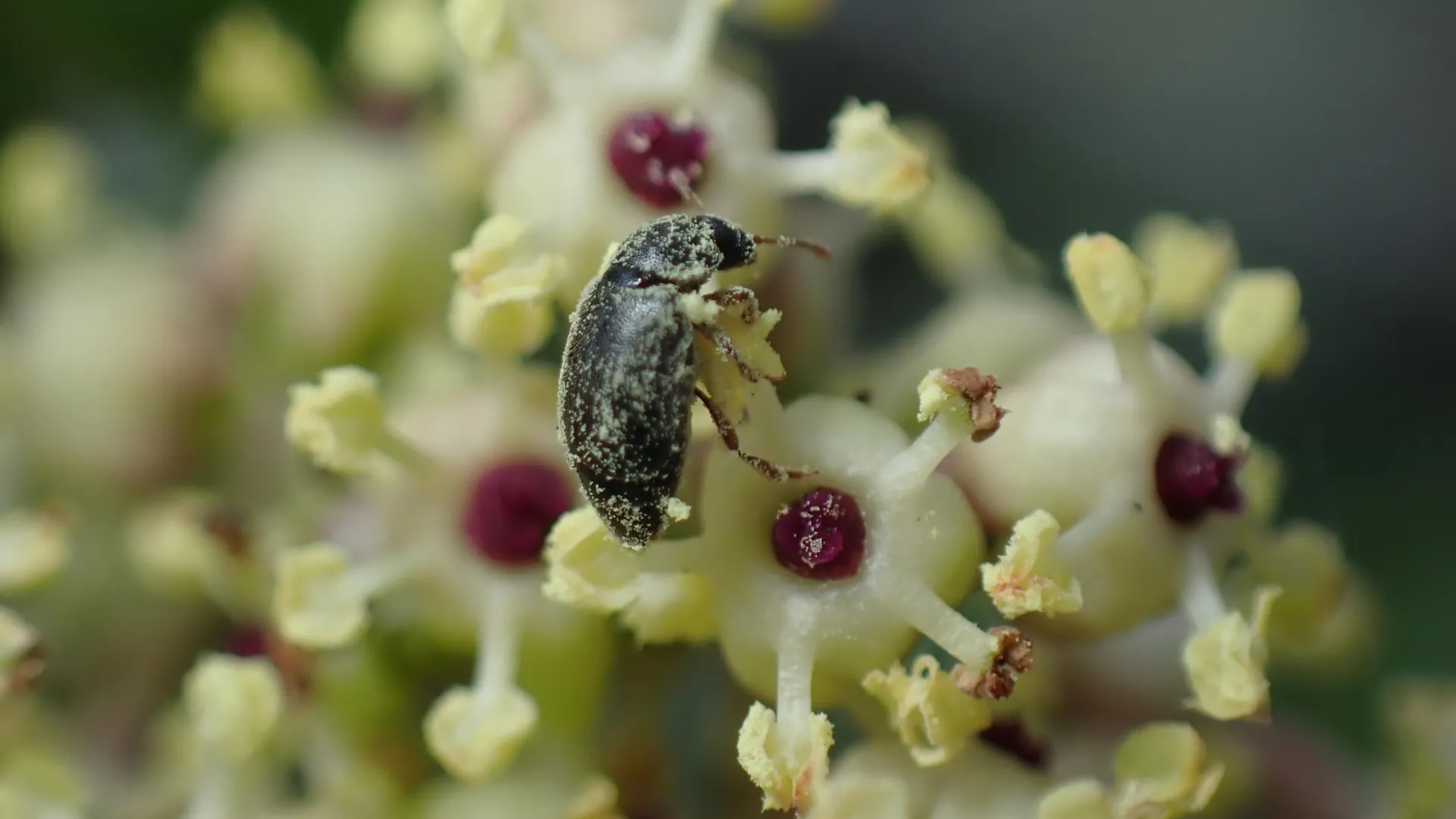
Scientists discovered a secret deal between a plant and beetles
Japanese red elder plants protect their own survival by dropping fruits that contain Heterhelus beetle larvae. Surprisingly, this action also allows the larvae to survive. A study from Kobe University suggests this unusual interaction reshapes…
Continue Reading
-

Scientists discover a universal temperature curve that governs all life
Researchers at Trinity College Dublin report that they have uncovered what appears to be a “universal thermal performance curve” (UTPC) that applies across the entire tree of life. According to the team, this pattern governs how organisms respond…
Continue Reading
-
Identifying factors regulating tauopathies | Nature Structural & Molecular Biology
Neurodegenerative diseases caused by aberrant aggregation of the tau protein, encoded by the MAPT gene, include Alzheimer’s disease, frontotemporal dementia (FTD) and progressive supranuclear palsy (PSP). These diseases are collectively called…
Continue Reading
-
Shared genetic and neuroimmune architecture links type 1 diabetes with neurocognitive traits
Gregory, G.A. et al. Global incidence, prevalence, and mortality of type 1 diabetes in 2021 with projection to 2040: a modelling study. Lancet Diabetes Endocrinol. https://doi.org/10.1016/s2213-8587(22)00218-2 (2022)
Arffman, M. et al. Long-term…
Continue Reading