
Why did humans evolve the eyes we have today?
While scientists can’t go back in time to study the environmental pressures that shaped the evolution of the diverse vision systems that exist in nature, a new computational…

Why did humans evolve the eyes we have today?
While scientists can’t go back in time to study the environmental pressures that shaped the evolution of the diverse vision systems that exist in nature, a new computational…
The Real Cost of Inaction: How Silos Hurt Productivity for Data Scientists (Sponsored)

Top 5 Vector Databases for High-Performance LLM Applications
Image by Editor
Building AI applications often requires searching through millions of documents, finding similar items in massive catalogs, or retrieving relevant context…
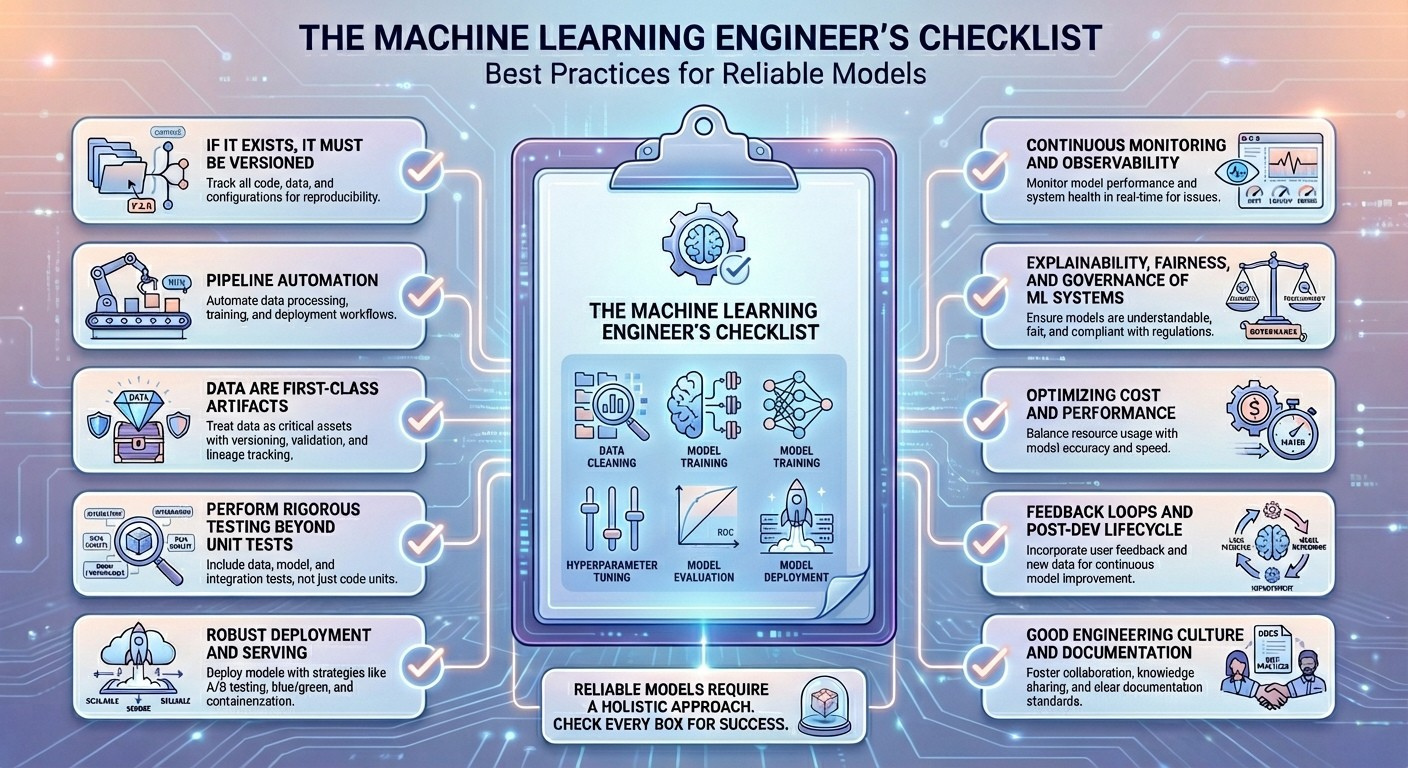
The Machine Learning Engineer’s Checklist: Best Practices for Reliable Models
Image by Editor
Building newly trained machine learning models that work is a relatively straightforward endeavor, thanks to mature frameworks and…
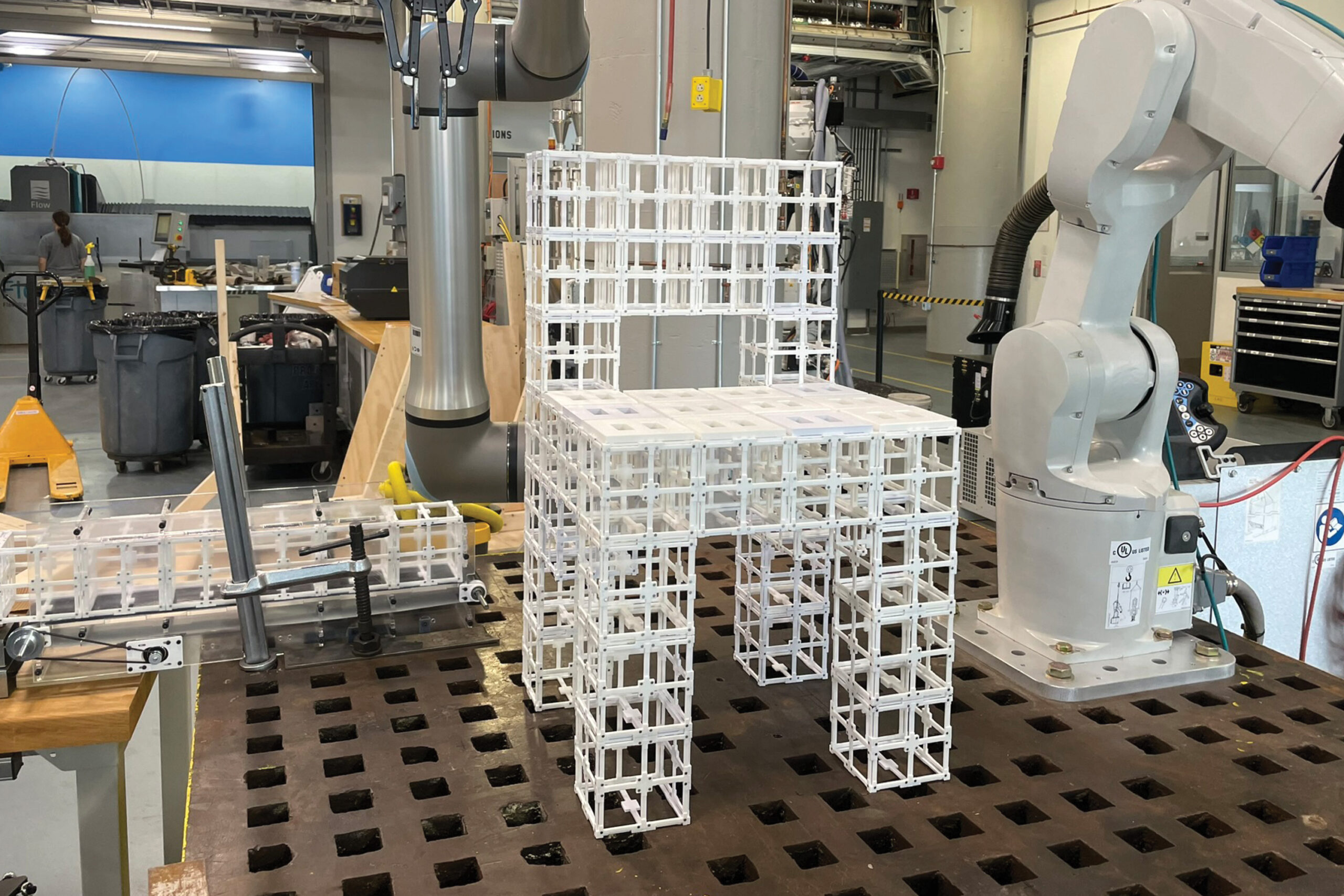
Computer-aided design (CAD) systems are tried-and-true tools used to design many of the physical objects we use each day. But CAD software requires extensive expertise to master, and many tools incorporate such a high…

Today, out of an estimated 1 trillion species on Earth, 99.999 percent are considered microbial — bacteria, archaea, viruses, and single-celled eukaryotes. For much of our planet’s history, microbes ruled the Earth,…

What if there were a way to solve one of the most significant obstacles to the use of nuclear energy — the disposal of high-level nuclear waste (HLW)? Dauren Sarsenbayev, a third-year doctoral student at the MIT…
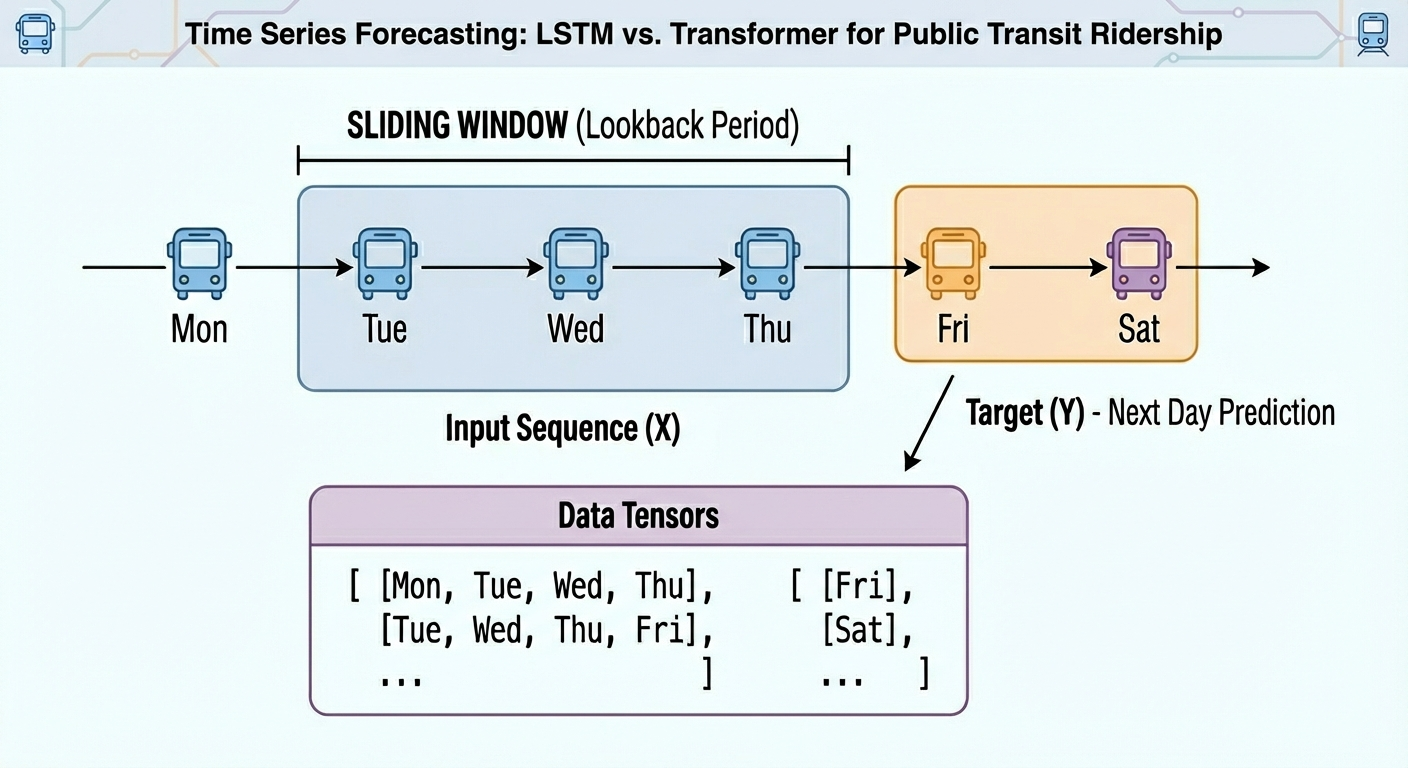
In this article, you will learn how to build, train, and compare an LSTM and a transformer for next-day univariate time series forecasting on real public transit data.
Topics we will cover include:
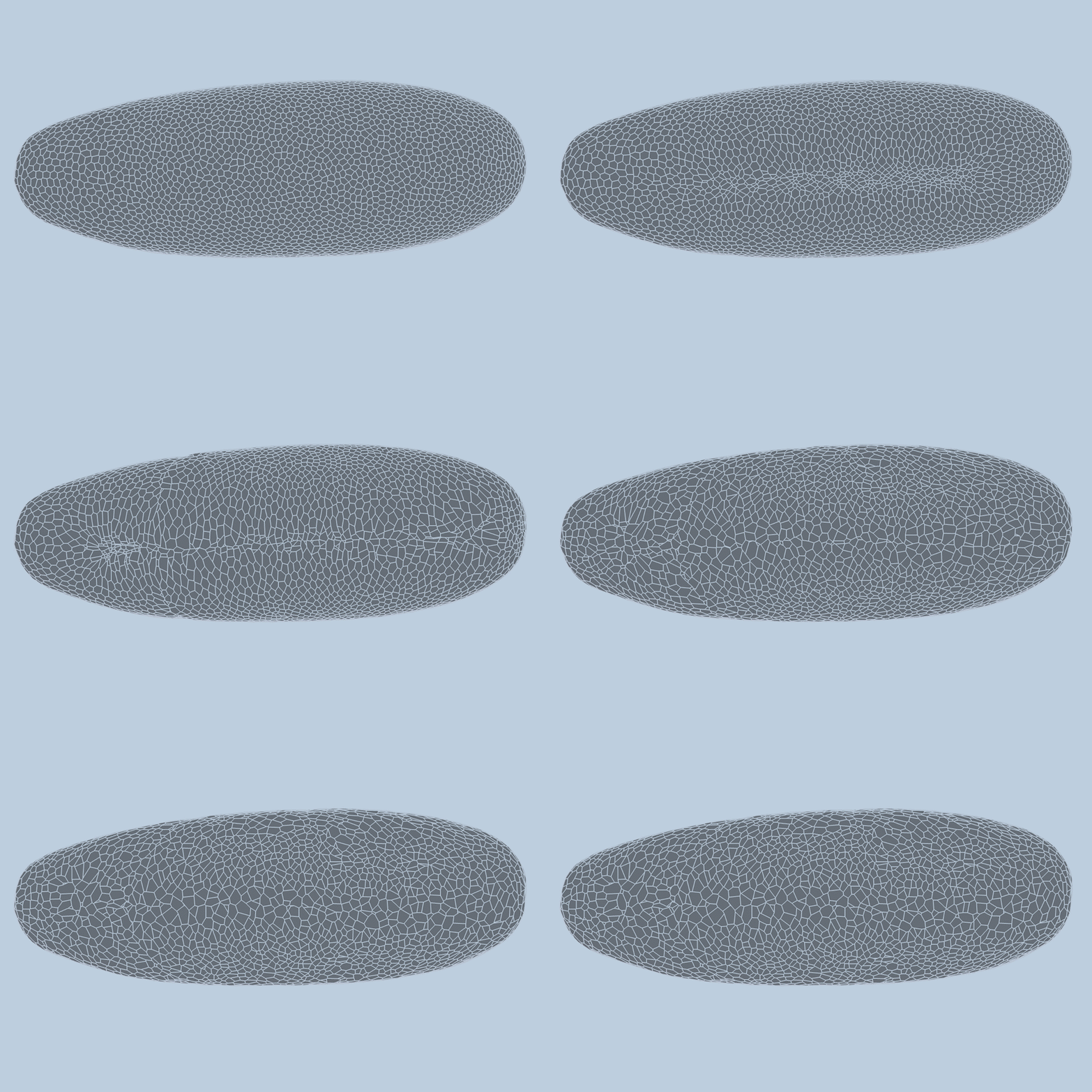
During early development, tissues and organs begin to bloom through the shifting, splitting, and growing of many thousands of cells.
A team of MIT engineers has now developed a way to predict, minute by minute, how…

Large Language Models (LLMs) can produce varied, creative, and sometimes surprising outputs even when given the same prompt. This randomness is not a bug but a core feature of how the model samples its next token from a probability…