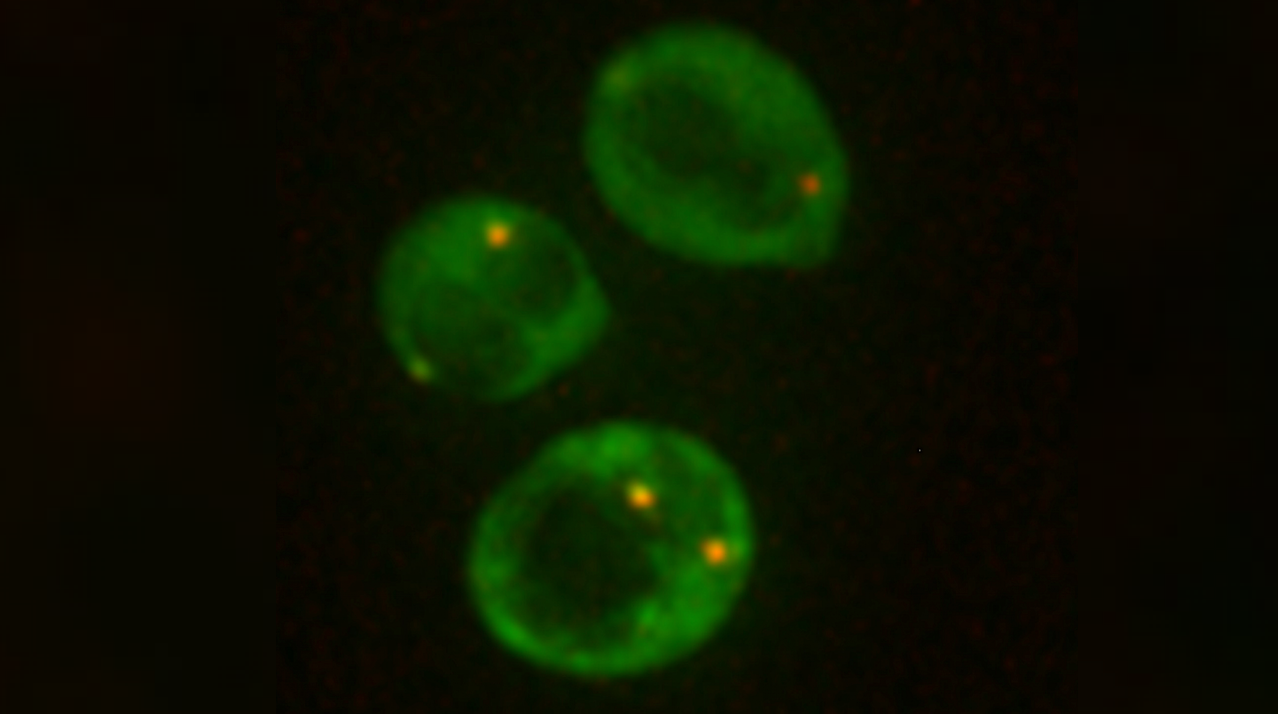
When closely related species mate, their offspring sometimes survive but cannot reproduce. This pattern often affects males first, with hybrid males frequently failing to produce functional sperm even when hybrid females remain fertile. In a new…
Author: admin
-

How changes on the Y chromosome may make species reproductively incompatible
-

Sneaker-sized 'Electronic Dolphin' robot could transform oil spill cleanup
RMIT University engineers in Australia have built a remote-controlled minibot that hoovers up oil spills using an innovative filtering system inspired by sea urchins. Oil spills are still a serious problem around the world. They can badly damage…
Continue Reading
-

Can people distinguish between AI-generated and human speech?
In a collaboration between Tianjin University and the Chinese University of Hong Kong, researchers led by Xiangbin Teng used behavioral and brain activity measures to explore whether people can discern between AI-generated and human speech. The…
Continue Reading
-

Wildfire season is shifting, but its new time windows vary across Canada and the US drought-prone West
Climate change is shifting wildfire seasons in North America, but the direction of the shift depends on the regional ecosystem, a new study shows.
The fire season in the northern boreal forests of Alaska and Canada have shifted forward, on…
Continue Reading
-

NASA Spaceline Current Awareness List #1,190 6 March 2026 (Space Life Science Research Results)
The abstract in PubMed or at the publisher’s site is linked when available and will open in a new window.
- Ebert D, Walton M, Byrne VE, Nelson AM, Sargsyan A.Autonomous medical officer support software technology demonstrations on the…
Continue Reading
-
Why nanotechnology breakthroughs often stagnate before reaching the market
New research suggests that the most formidable barrier to commercializing nanotechnology is not the science itself, but rather the way organizations manage the innovation process. While nanotechnology is heralded as one of the most transformative…
Continue Reading
-

It’s up to 40 miles wide, contains billions of creatures and can take 20 years to form – is this nature’s most destructive swarm?
Across the deserts from Africa to India, when conditions are right, the desert locust will swarm in vast numbers.
Their eggs, which have sometimes remained in the ground for 20 years, begin to hatch. And the young locusts (known as hoppers)…
Continue Reading
-

Study maps tree-planting risks and rewards for climate and biodiversity
Establishing forests can capture carbon and boost biodiversity — but some biomes are a better bet than others, a recent study finds. Forest restoration has emerged as a top nature-based solution to mitigate climate change, with numerous…
Continue Reading