Author: admin
-
Team to discover quasar tsunamis
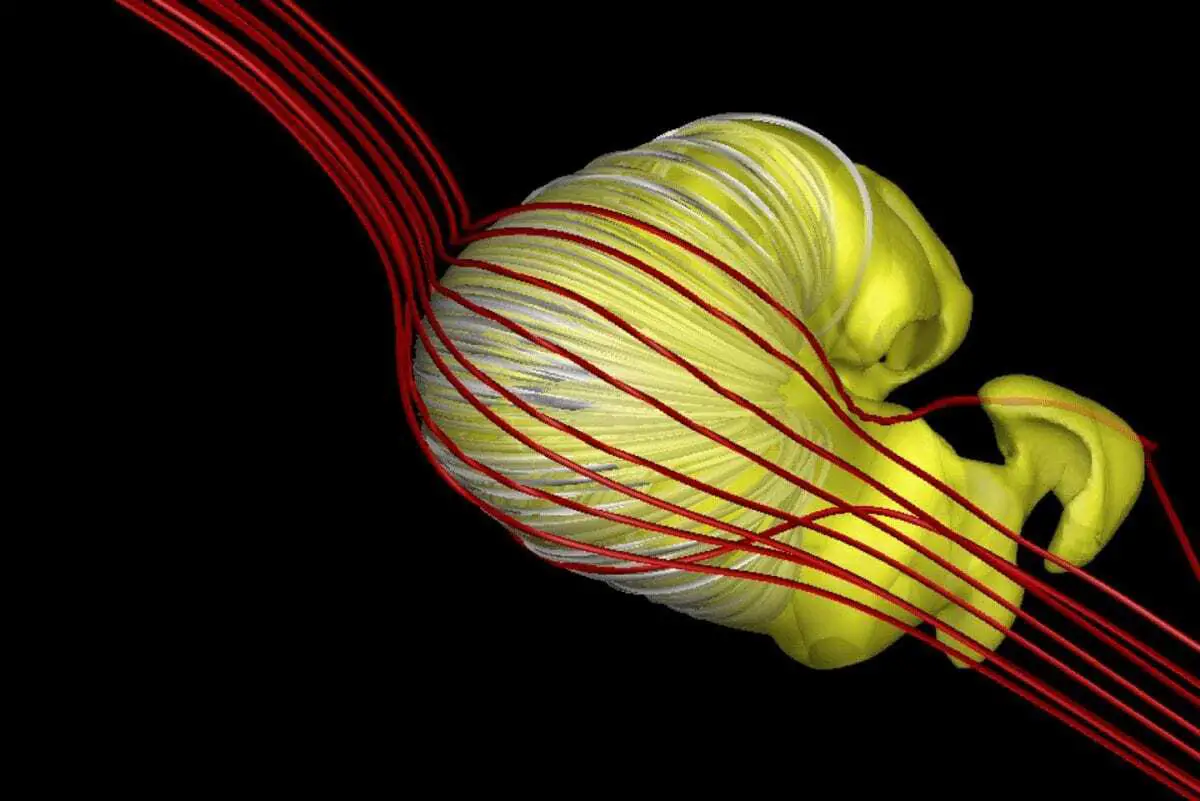
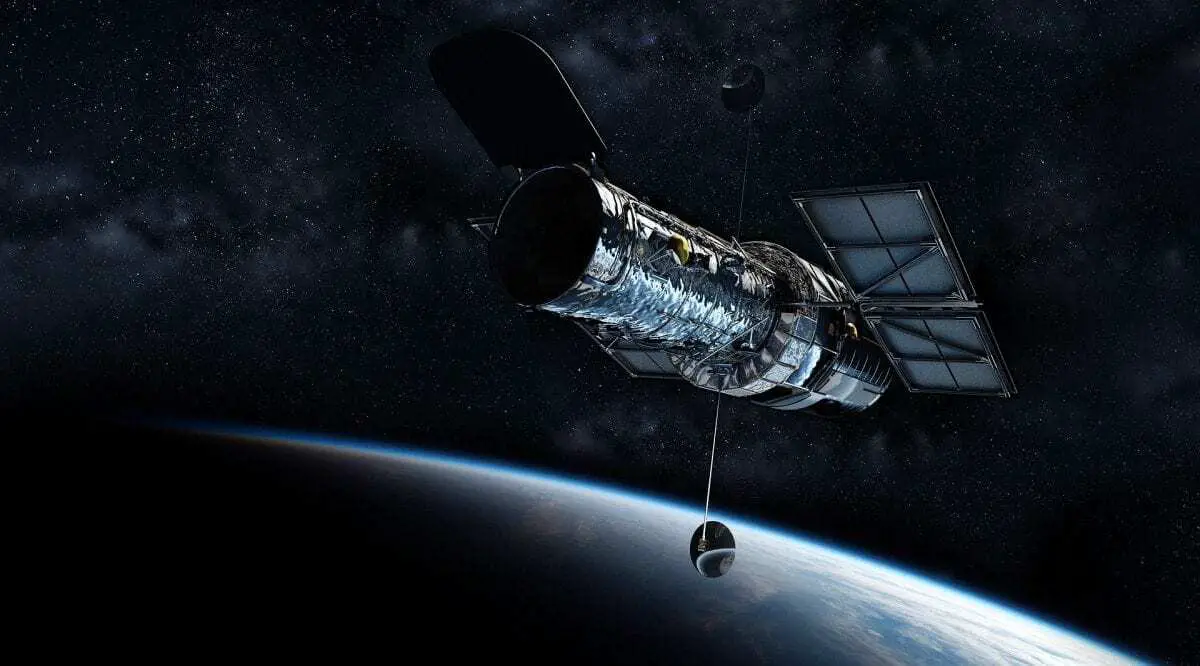
Using the unique capabilities of NASA’s Hubble Space Telescope, a team of astronomers led by Virginia Tech’s Nahum Arav has discovered the most energetic outflows ever witnessed in the universe.
The outflows emanate from quasars and tear…
Continue Reading
-

Fine-tuning radiocarbon dating could ‘rewrite’ ancient events
Radiocarbon dating, invented in the late 1940s and improved ever since to provide more precise measurements, is the standard method for determining the dates of artifacts in archaeology and other disciplines.
“If it’s organic and old – up to…
Continue Reading
-
First-time direct proof of chemical reactions in particulates
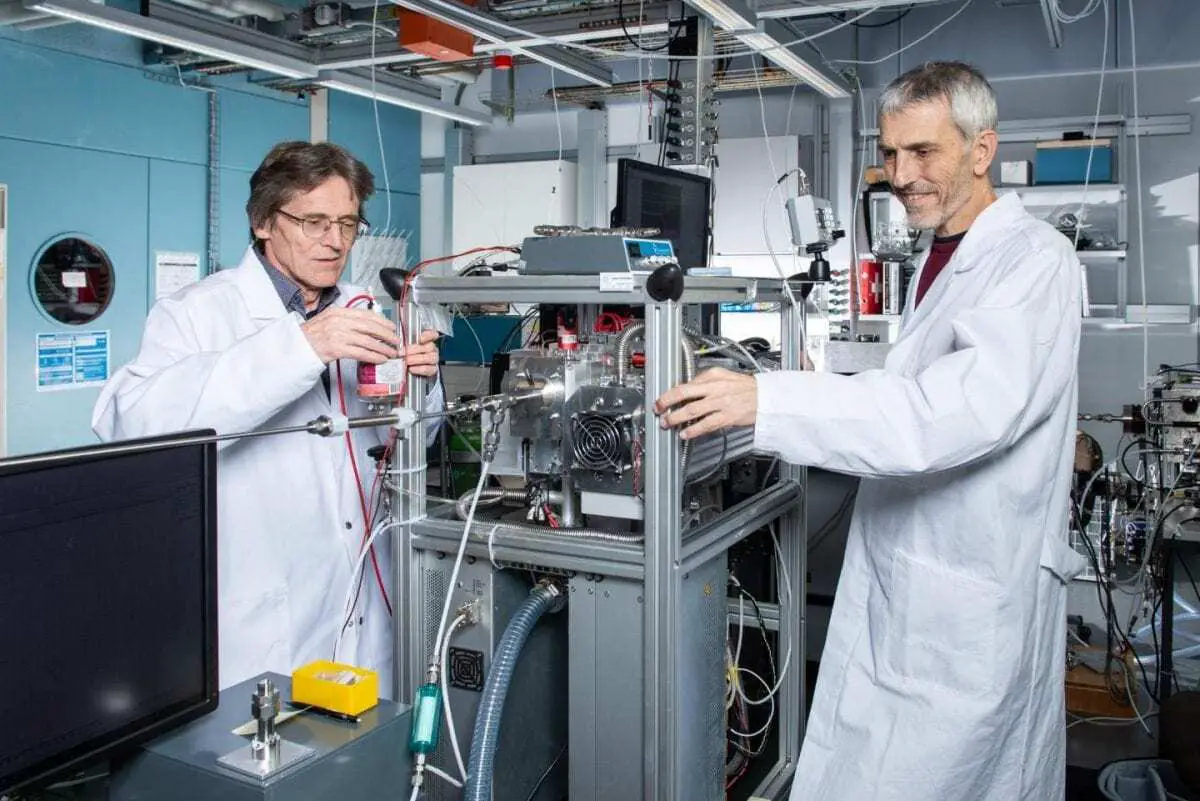
Researchers at the Paul Scherrer Institute PSI have developed a new method to analyse particulate matter more precisely than ever before.
With its help, they disproved an established doctrine: that molecules in aerosols undergo no further chemical…
Continue Reading
-
Nanostructured rubber-like material could replace human tissue
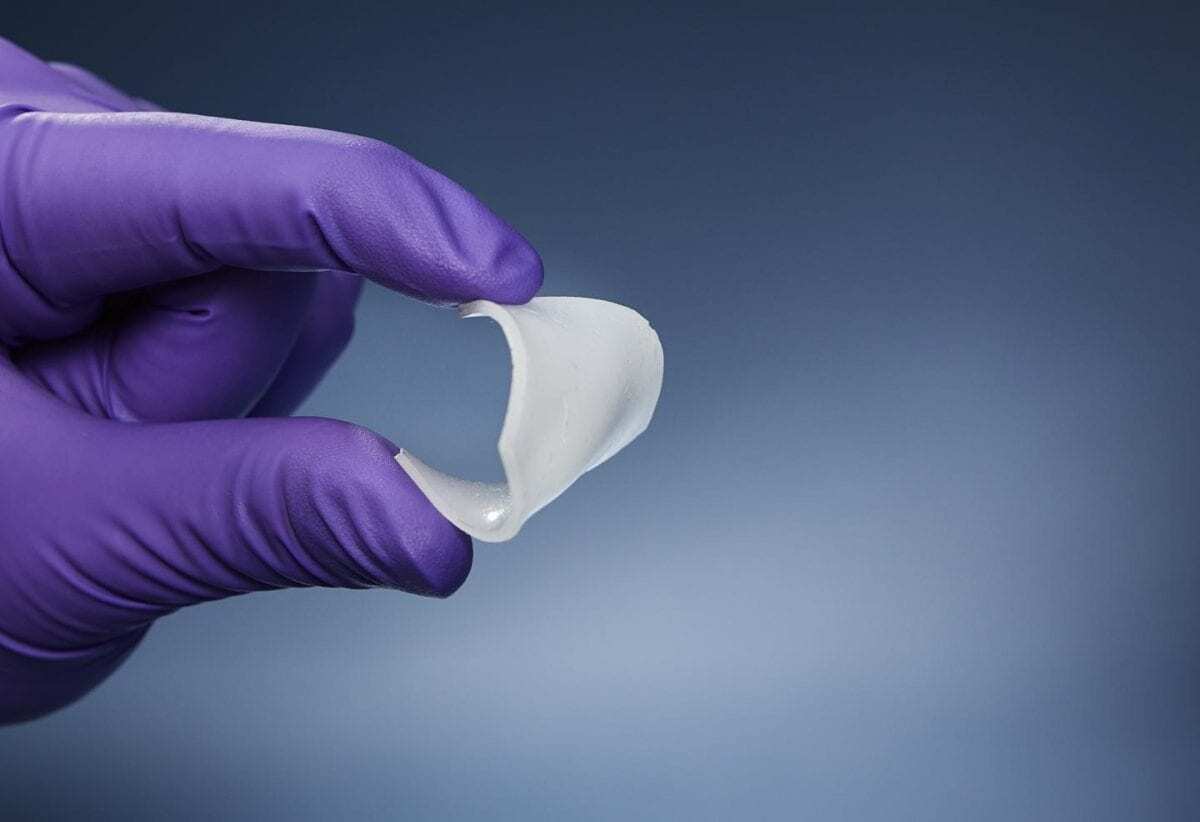
Researchers from Chalmers University of Technology, Sweden, have created a new, rubber-like material with a unique set of properties, which could act as a replacement for human tissue in medical procedures.
The material has the potential to make a…
Continue Reading
-
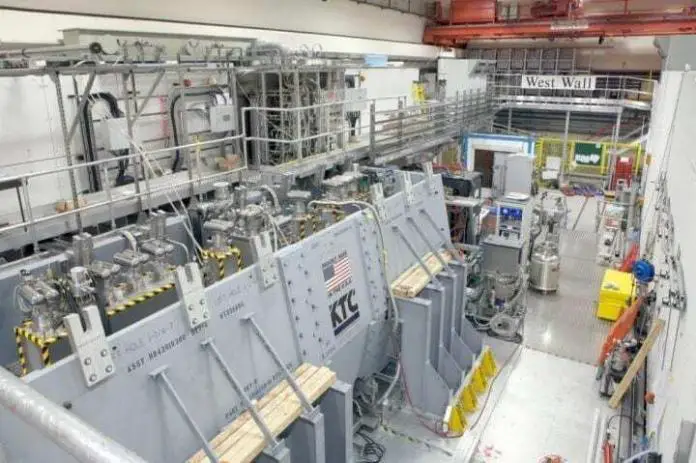
Breakthrough made towards building the world’s most powerful particle accelerator
The MICE muon beam-line at the Science and Technology Facilities Council (STFC) ISIS Neutron and Muon Beam facility on the Harwell Campus in the UK.
CREDIT
MICE collaborationAn international team of researchers, affiliated with UNIST has for the…
Continue Reading
-
Radar and ice could help detect an elusive subatomic particle
One of the greatest mysteries in astrophysics these days is a tiny subatomic particle called a neutrino, so small that it passes through matter – the atmosphere, our bodies, the very Earth – without detection.
Physicists around the world have…
Continue Reading
-
Discovery points to origin of mysterious ultraviolet radiation
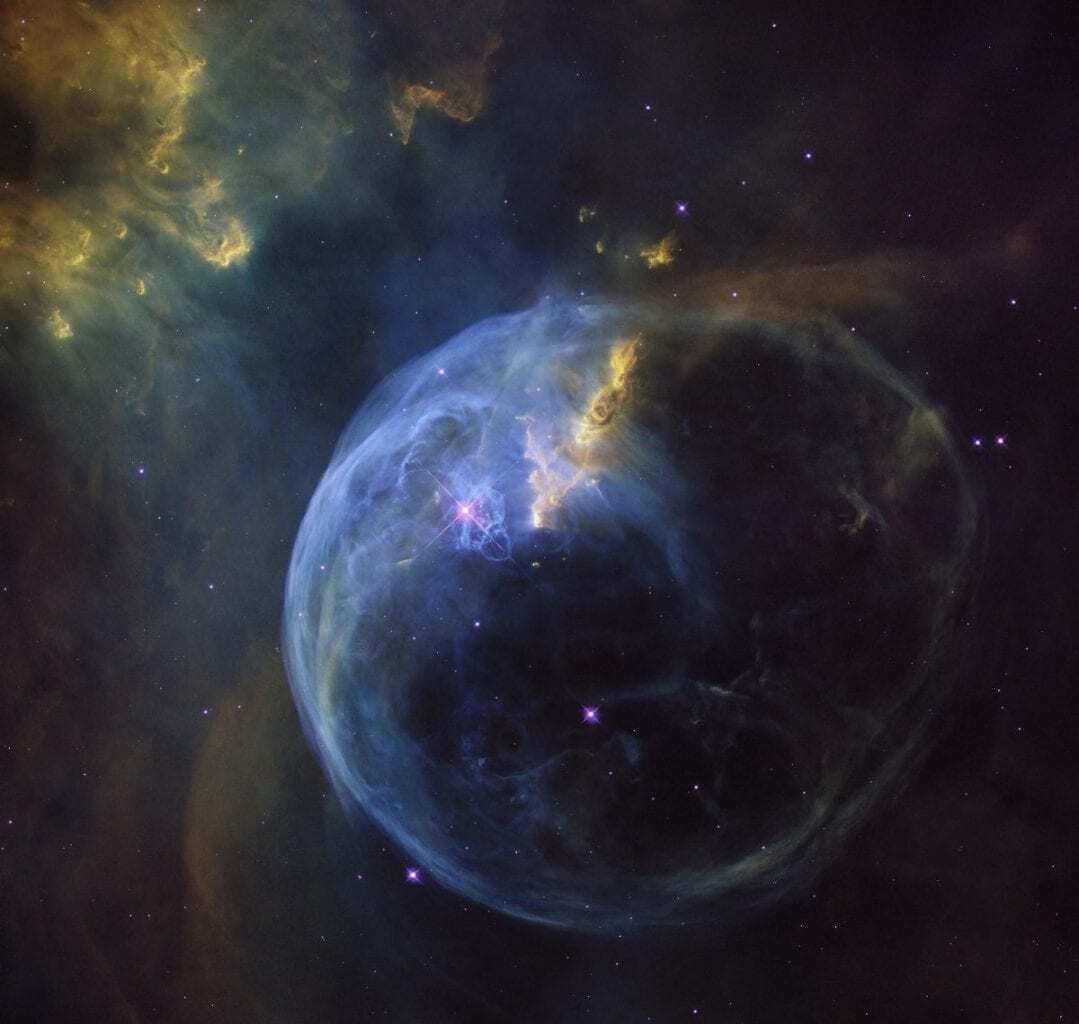
Billions of lightyears away, gigantic clouds of hydrogen gas produce a special kind of radiation, a type of ultraviolet light known as Lyman-alpha emissions.
The enormous clouds emitting the light are Lyman-alpha blobs (LABs). LABs are several…
Continue Reading
-
‘Strange’ glimpse into neutron stars and symmetry violation
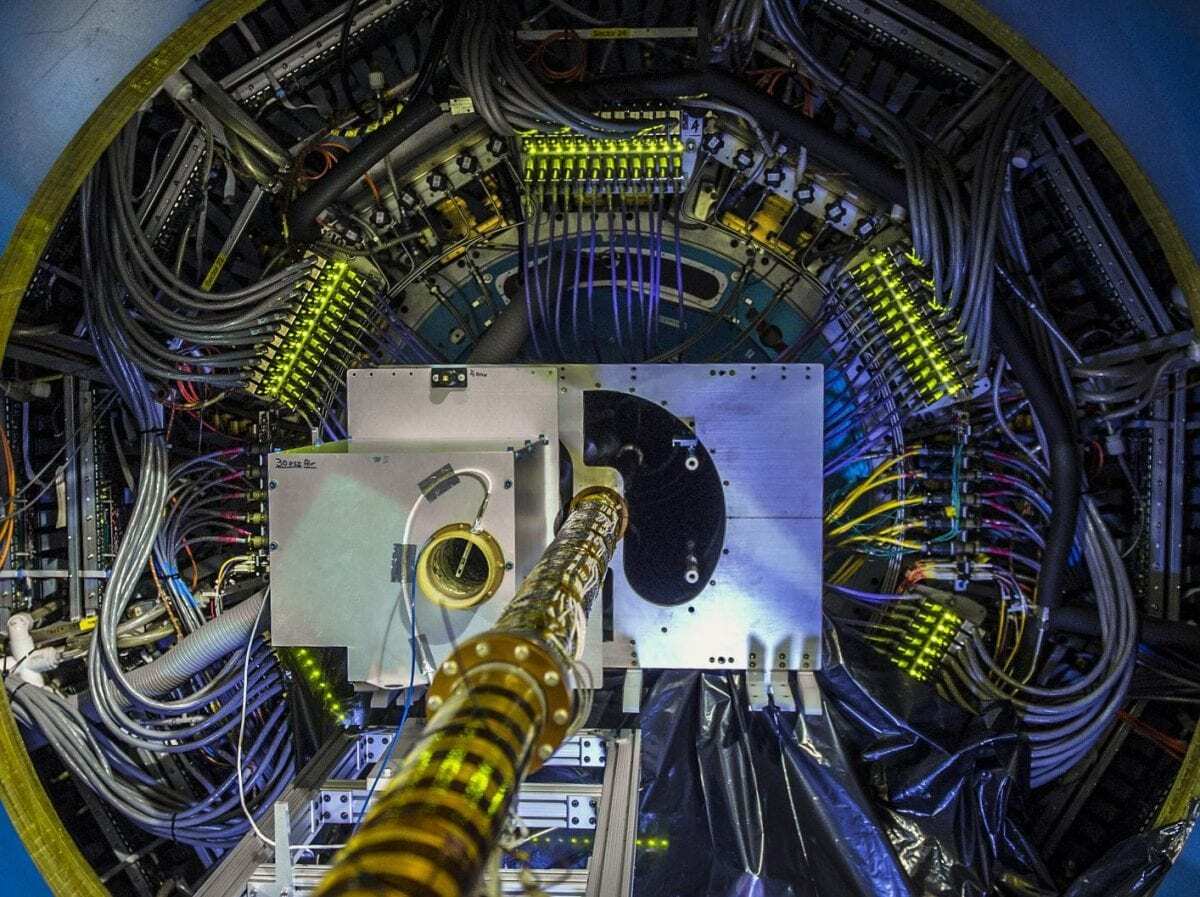
New results from precision particle detectors at the Relativistic Heavy Ion Collider (RHIC) offer a fresh glimpse of the particle interactions that take place in the cores of neutron stars and give nuclear physicists a new way to search for…
Continue Reading
-
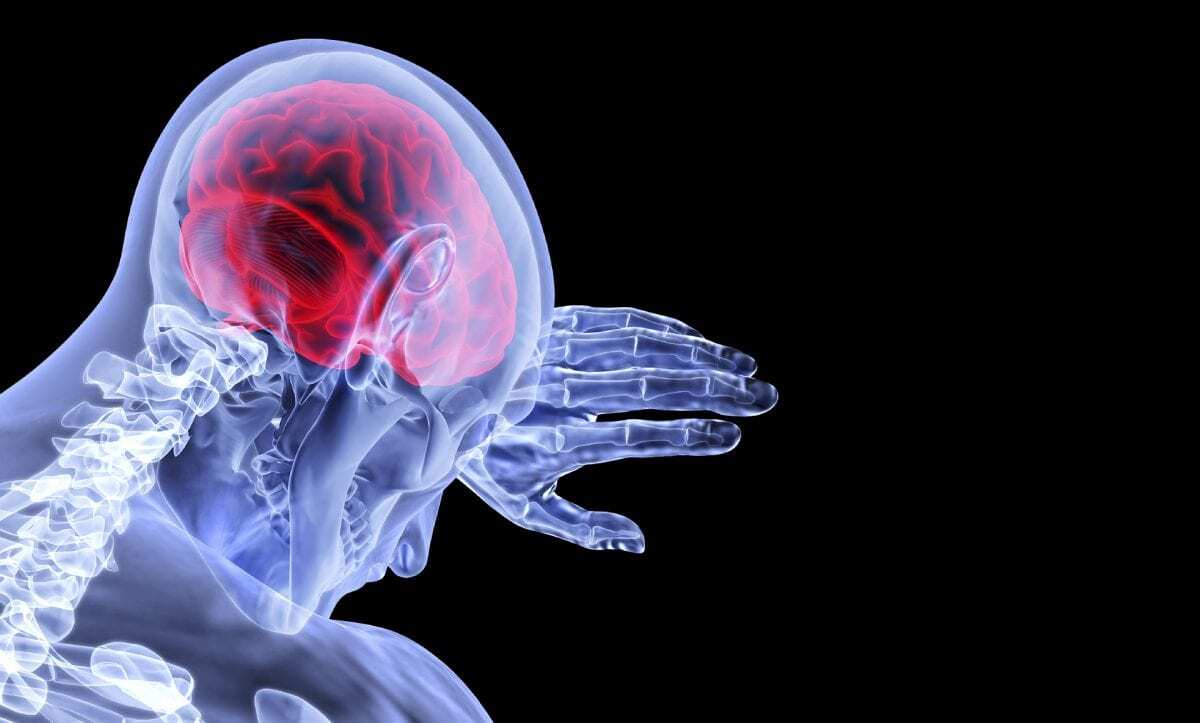
Seismic imaging technology could deliver finely detailed images of the human brain
Scientists have developed a new computational technique that could lead to fast, finely detailed brain imaging with a compact device that uses only sound waves.
The Imperial College London and UCL researchers say their proof-of-concept study,…
Continue Reading