

Our internet activity, commonly referred to as digital remains, lives on long after we die. In recent years, as firms such as Facebook and experimental start-ups have sought to monetize this content by allowing people to socialise with the dead…
Author: admin
-
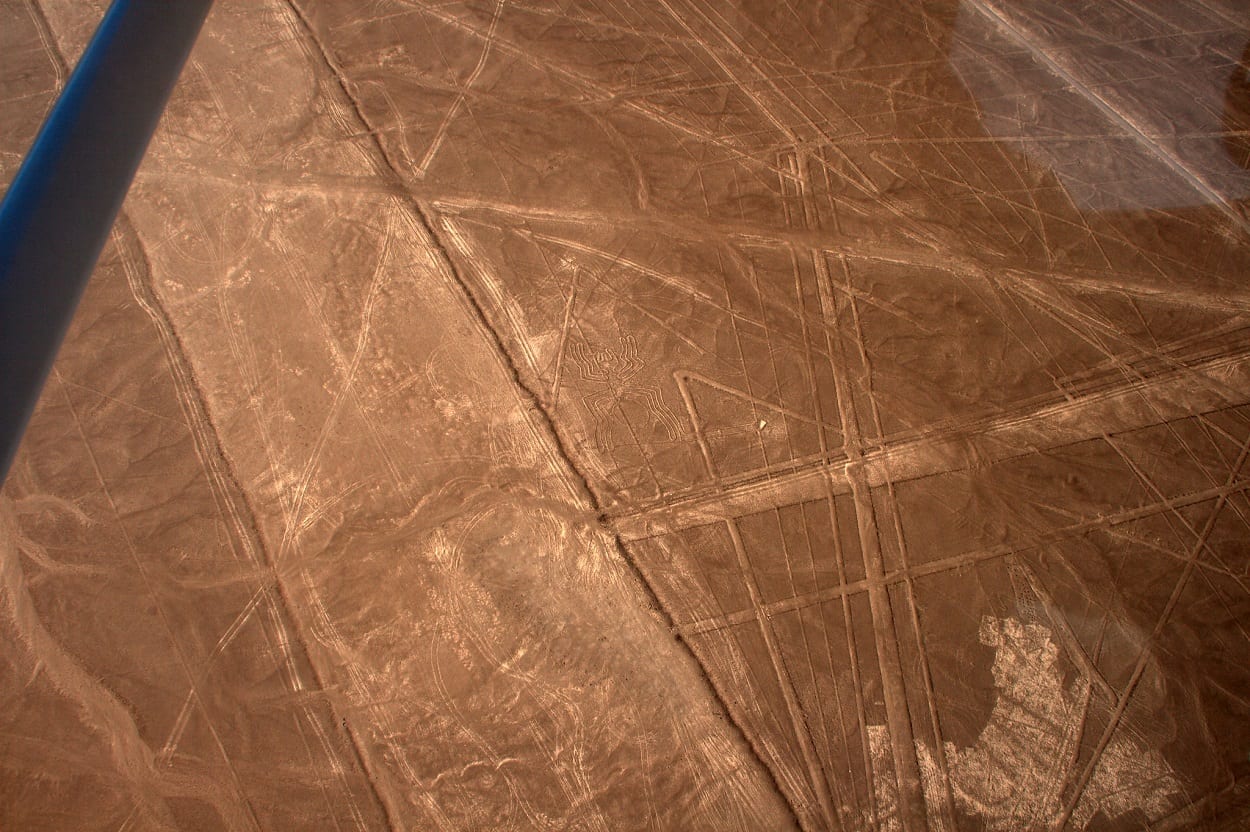
New Nasca lines found in Peru
Thanks to the latest advances in space archaeology and aerial drone surveys, archaeologists have discovered 50 new examples of Nasca and Paracas lines in Peru.
Some of the discovered lines date from the Nasca culture, however, many ancient lines…
Continue Reading
-
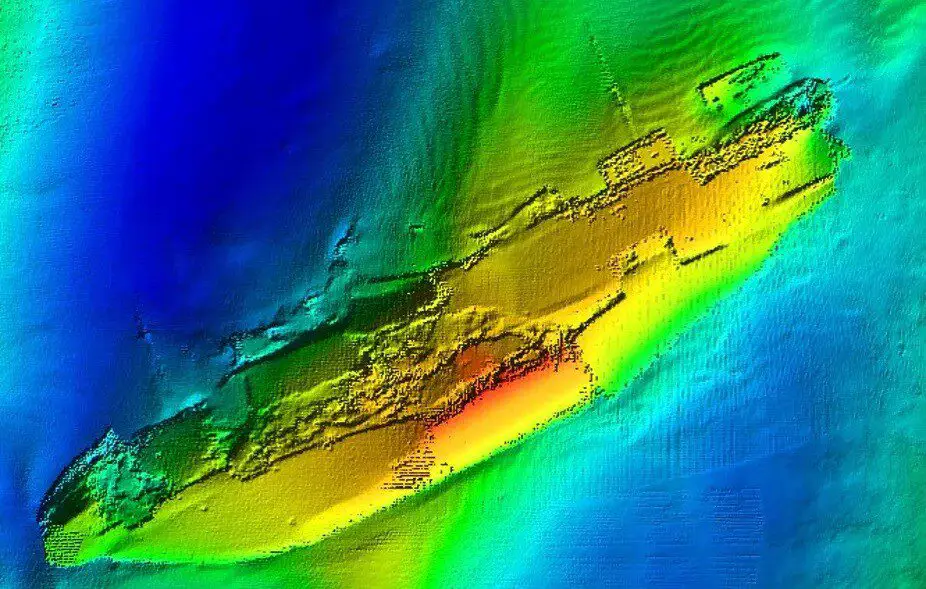
We’re mapping wartime shipwrecks to explore the past – and help develop green energy projects
Wartime shipwrecks such as the USS Juneau – recently discovered in the Pacific Ocean by philanthropist Paul Allen and his team – are of great interest to both military historians and the general public.
The USS Juneau was holed by a Japanese…
Continue Reading
-
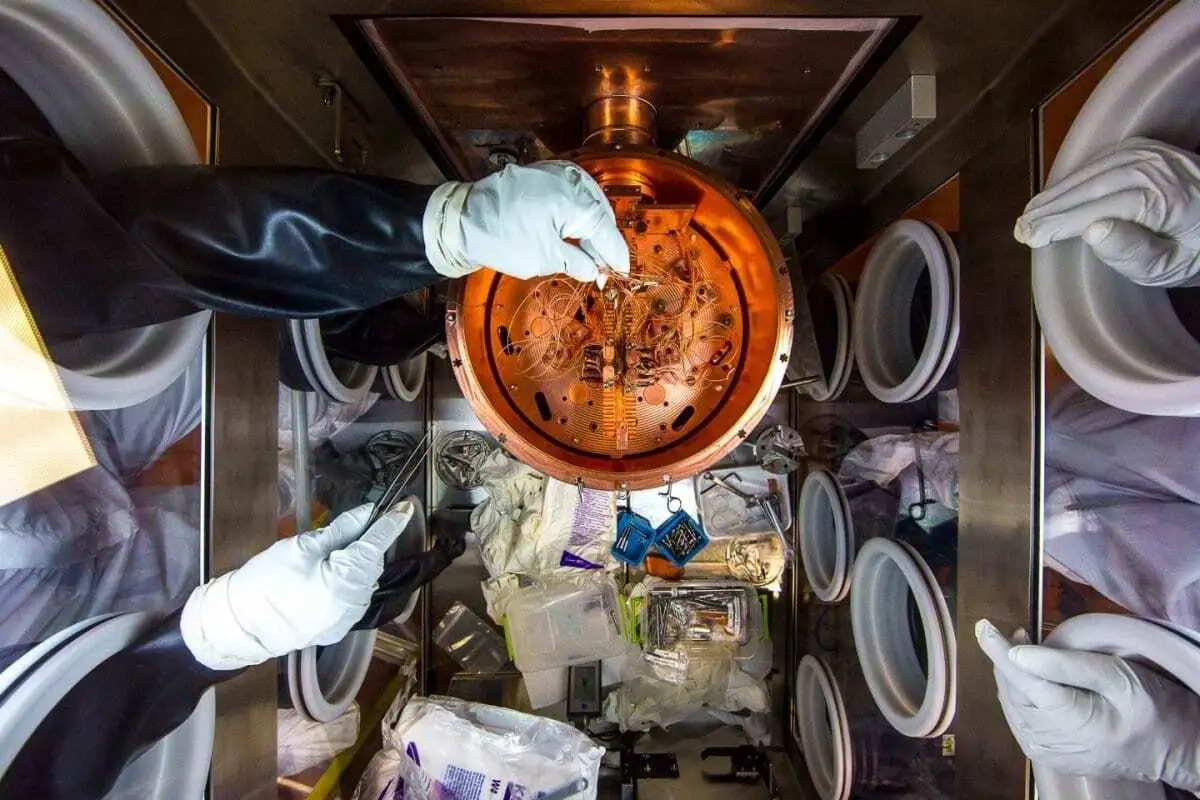
Underground neutrino experiment sets the stage for deep discovery about matter
If equal amounts of matter and antimatter had formed in the Big Bang more than 13 billion years ago, one would have annihilated the other upon meeting, and today’s universe would be full of energy but no matter to form stars, planets and life….
Continue Reading
-
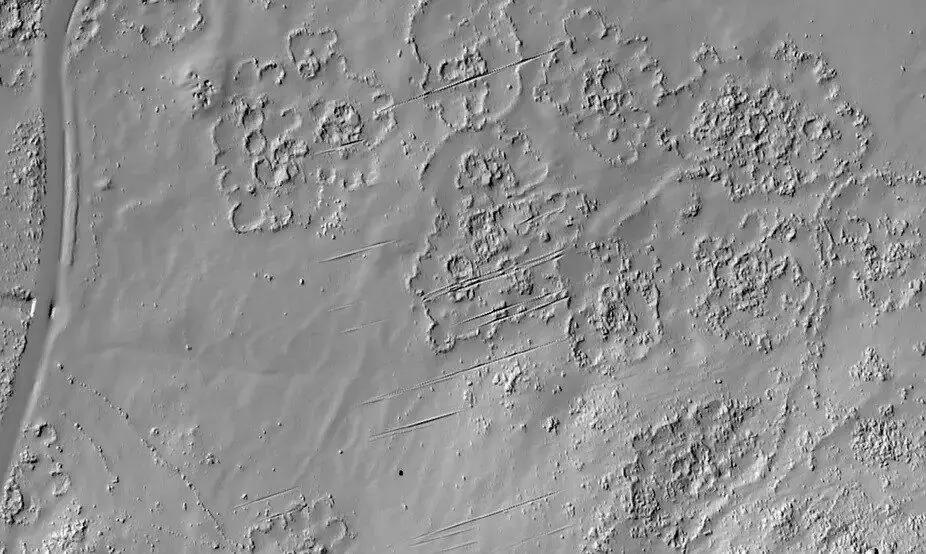
How we recreated a lost African city with laser technology
There are lost cities all over the world. Some, like the remains of Mayan cities hidden beneath a thick canopy of rainforest in Mesoamerica, are found with the help of laser lights.
Now the same technology which located those Mayan cities has…
Continue Reading
-
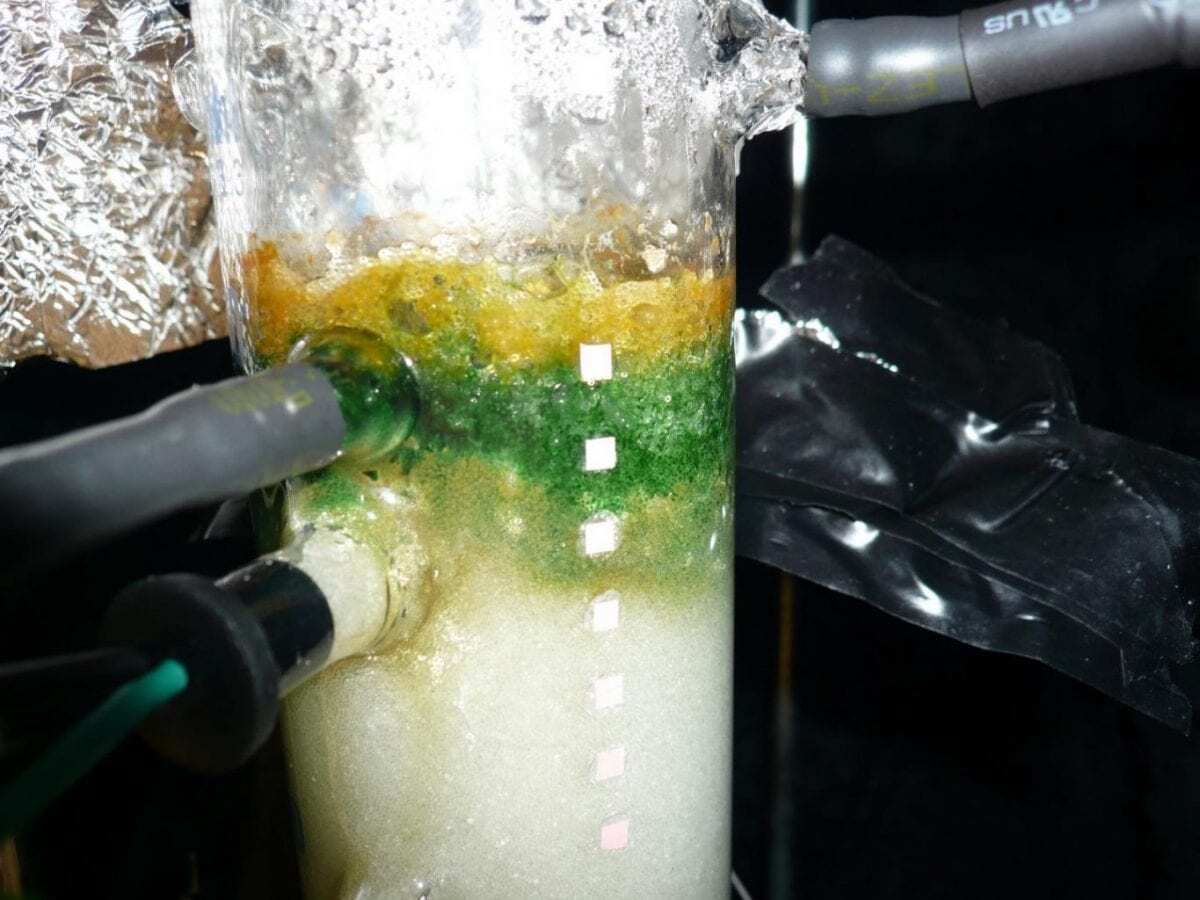
Experiment sheds new light on prehistoric ocean conditions
A new experiment by Iowa State University’s Elizabeth Swanner that evaluates the reduction of iron in prehistoric oceans may reinterpret the conditions under which iron-rich sedimentary rock is formed.
Swanner, an assistant professor of…
Continue Reading
-
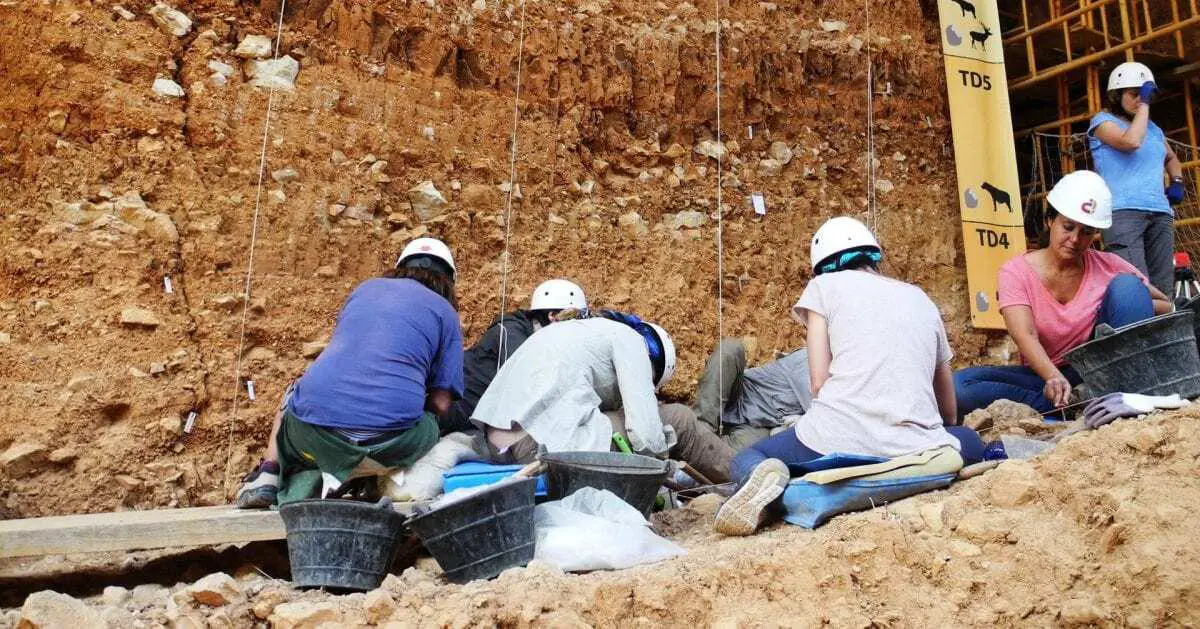
Human dispersion through southern Europe in Early Pleistocene
Geochronologists from the Centro Nacional de Investigación sobre la Evolución Humana (CENIEH) have led a study published in the journal Quaternary Geochronology about the chronology of the archaeological site of Gran Dolina, situated in the…
Continue Reading
-
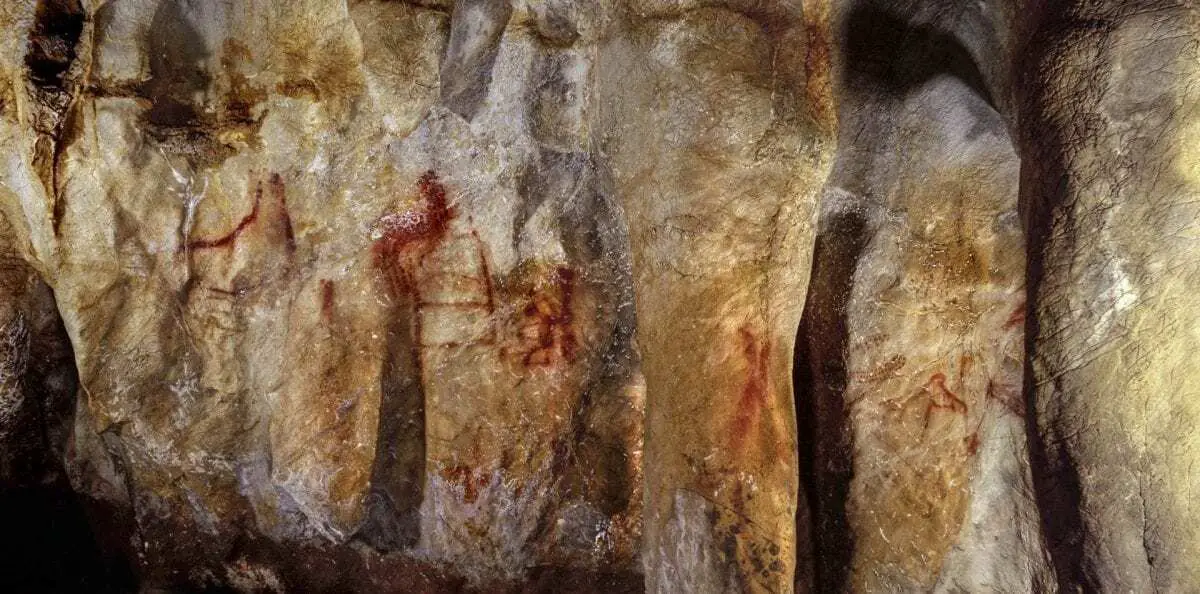
Earliest cave paintings were made by Neanderthals, scientists discover
Scientists have found the first major evidence that Neanderthals made cave paintings, indicating they may have had an artistic sense similar to our own.
A new study led by the University of Southampton and the Max Planck Institute for Evolutionary…
Continue Reading
-
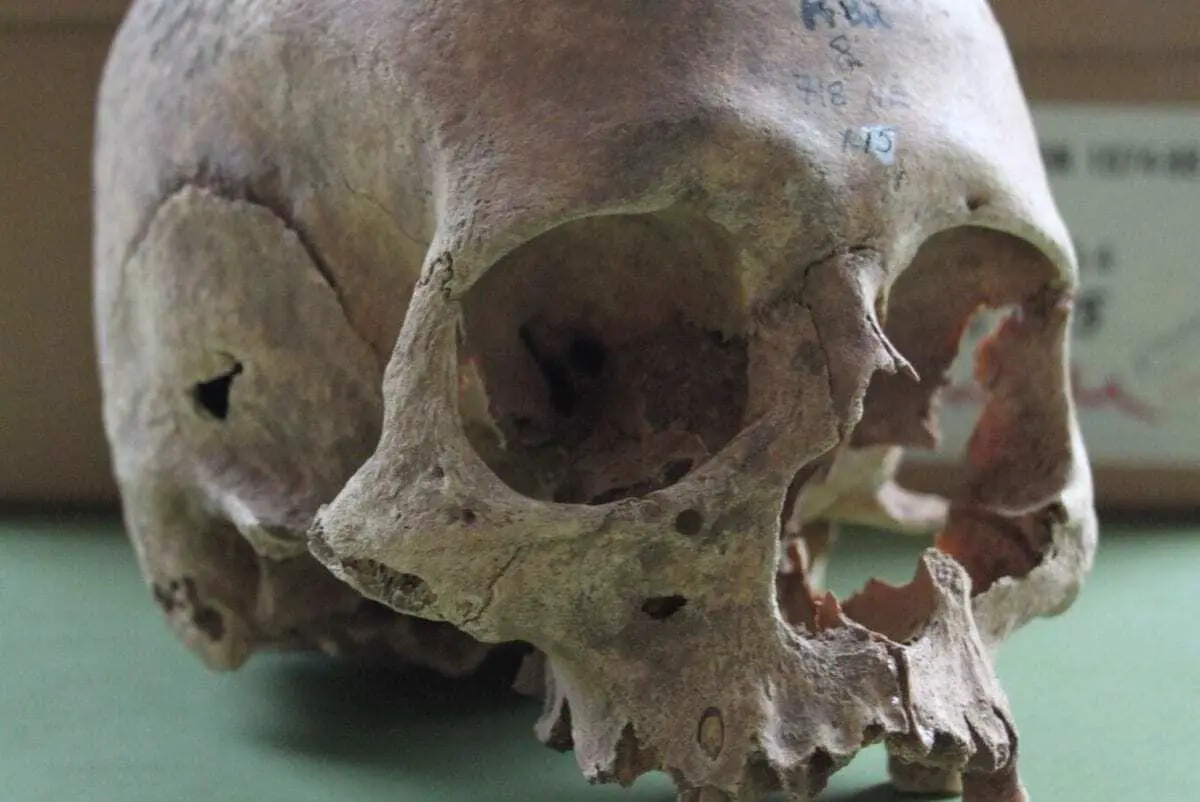
Mass grave dates from Viking Era
Archaeologists from the Anthropology and Archaeology department at the University of Bristol has revealed that a mass grave discovered in the 1980s dates from Viking era thanks to Radiocarbon dating.
Radiocarbon dating (also referred to as carbon…
Continue Reading
-
New Research Dispels the Myth That Ancient Cultures Had Universally Short Lifespans
Teeth are key to identifying elderly remains
Continue Reading