Author: admin
-
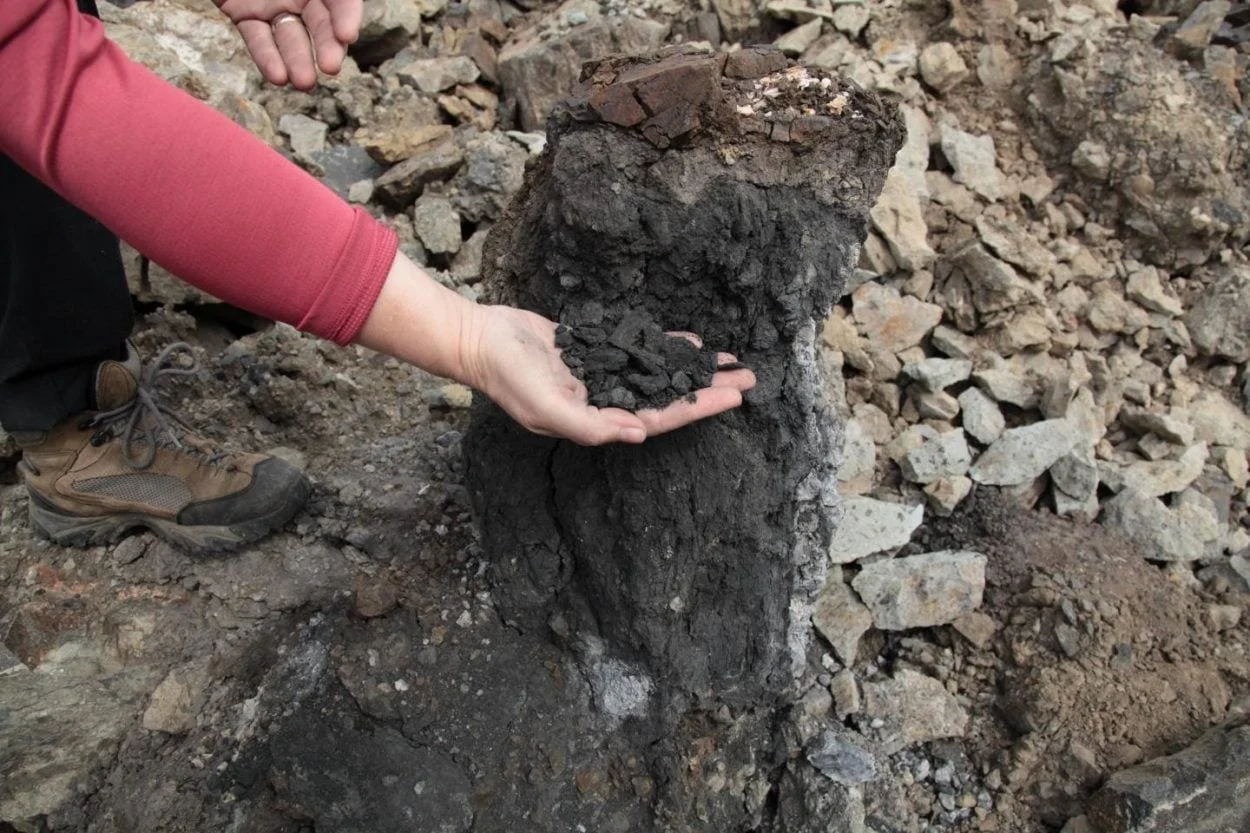
Coal-burning in Siberia led to climate change 250 million years ago
A team of researchers has provided the first-ever direct evidence that extensive coal burning in Siberia is a cause of the Permo-Triassic Extinction, the Earth’s most severe extinction event.
For this study, the international team led by…
Continue Reading
-
Scientists Take a Page From Deep Space to Study Deep Earth
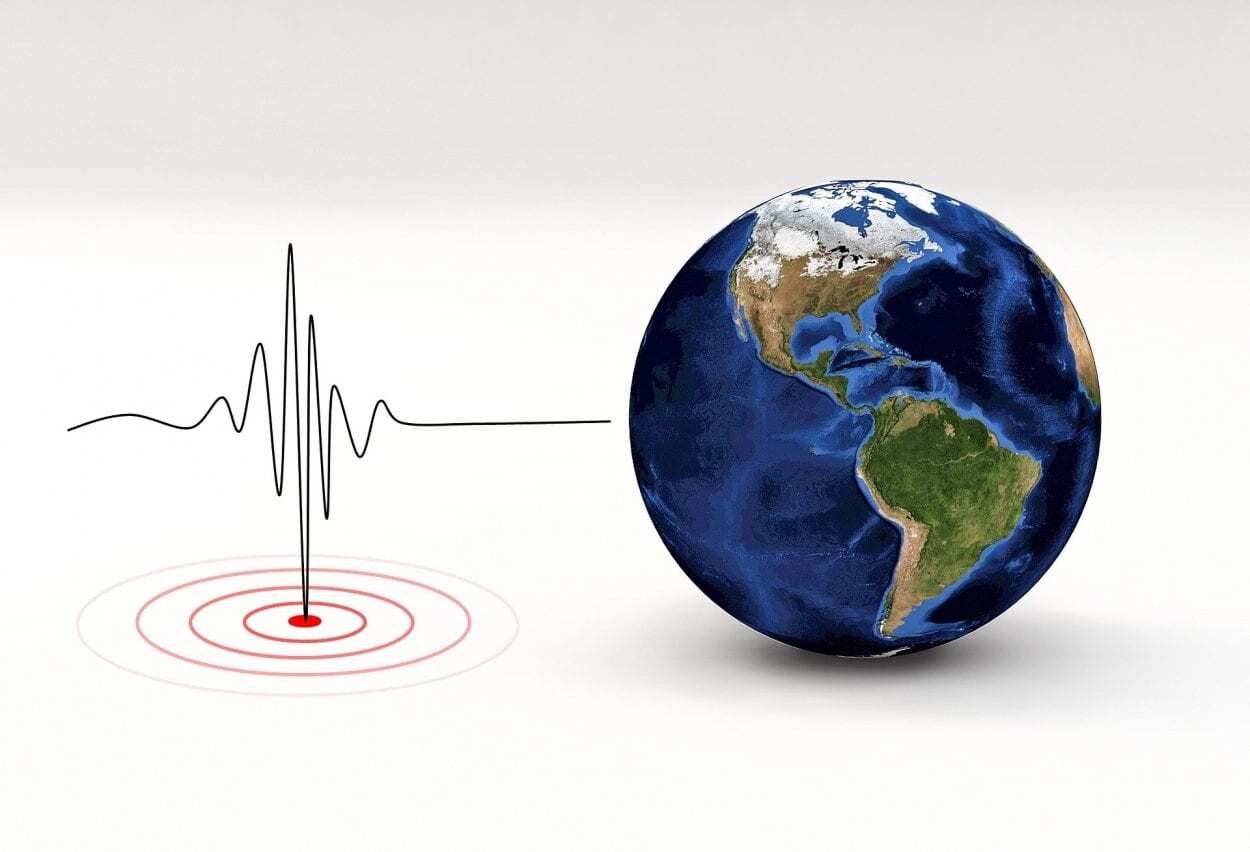
Using a new technique originally designed to explore the cosmos, scientists have unveiled structures deep inside the Earth, paving the way towards a new map revealing what Earth’s interior looks like.
Similar to the way doctors use ultrasounds…
Continue Reading
-
Scientists carry out first space-based measurement of neutron lifetime
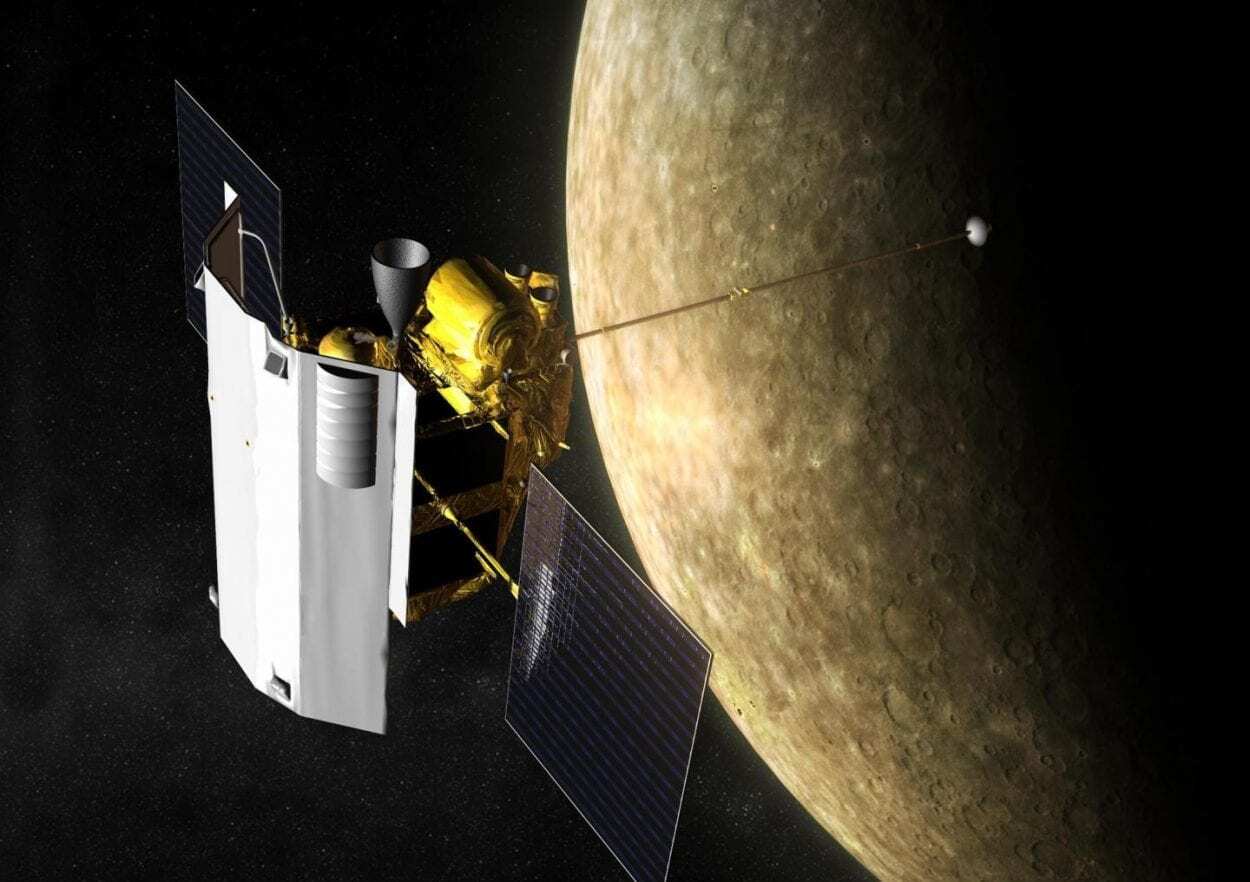
Scientists have found a way of measuring neutron lifetime from space for the first time – a discovery that could teach us more about the early universe.
Knowing the lifetime of neutrons is key to understanding the formation of elements after the…
Continue Reading
-
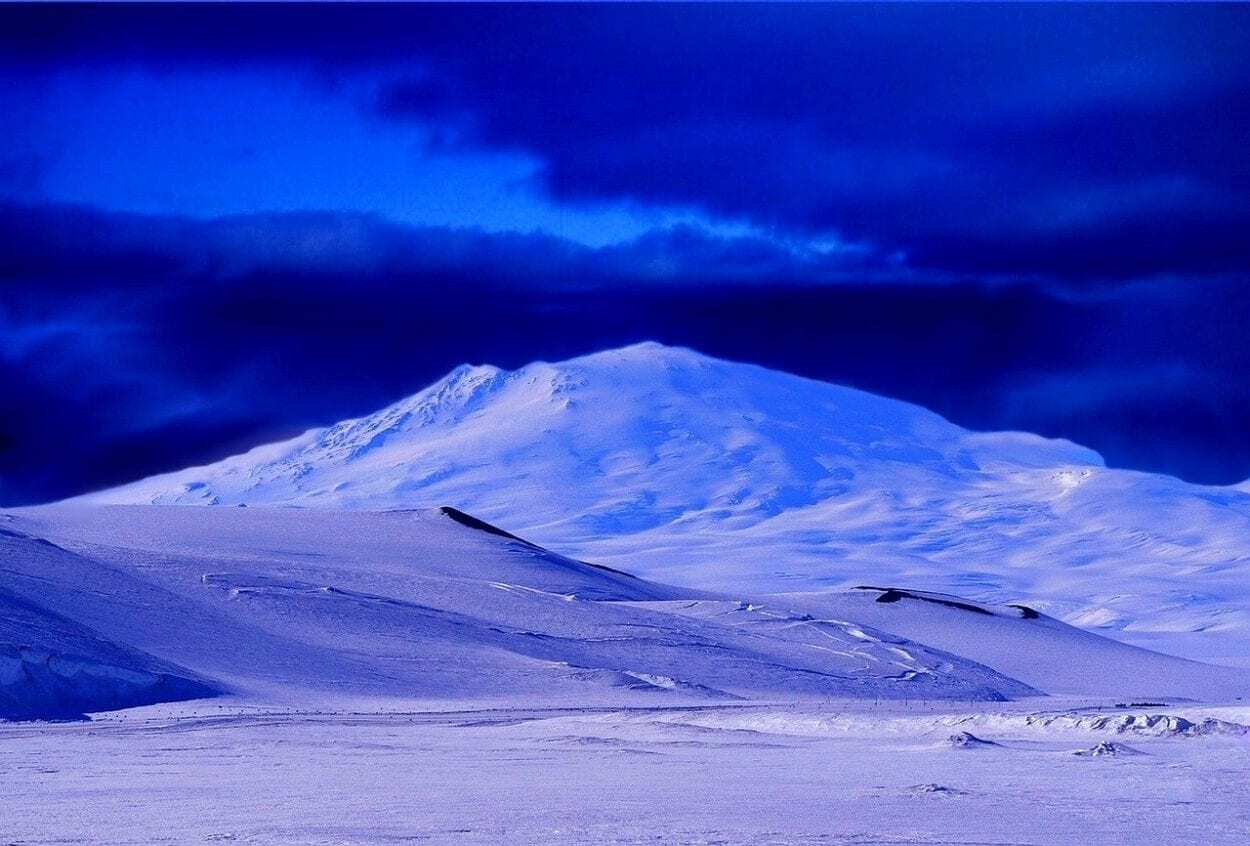
Researchers unlock clues to a dramatic chapter of Earth’s geological history
Imagine Earth completely covered in ice. While it’s hard to picture all of today’s oceans and land masses obscured with glaciers, such an ice-covered version of the planet was not so far-fetched millions of years ago.
Lasting from…
Continue Reading
-
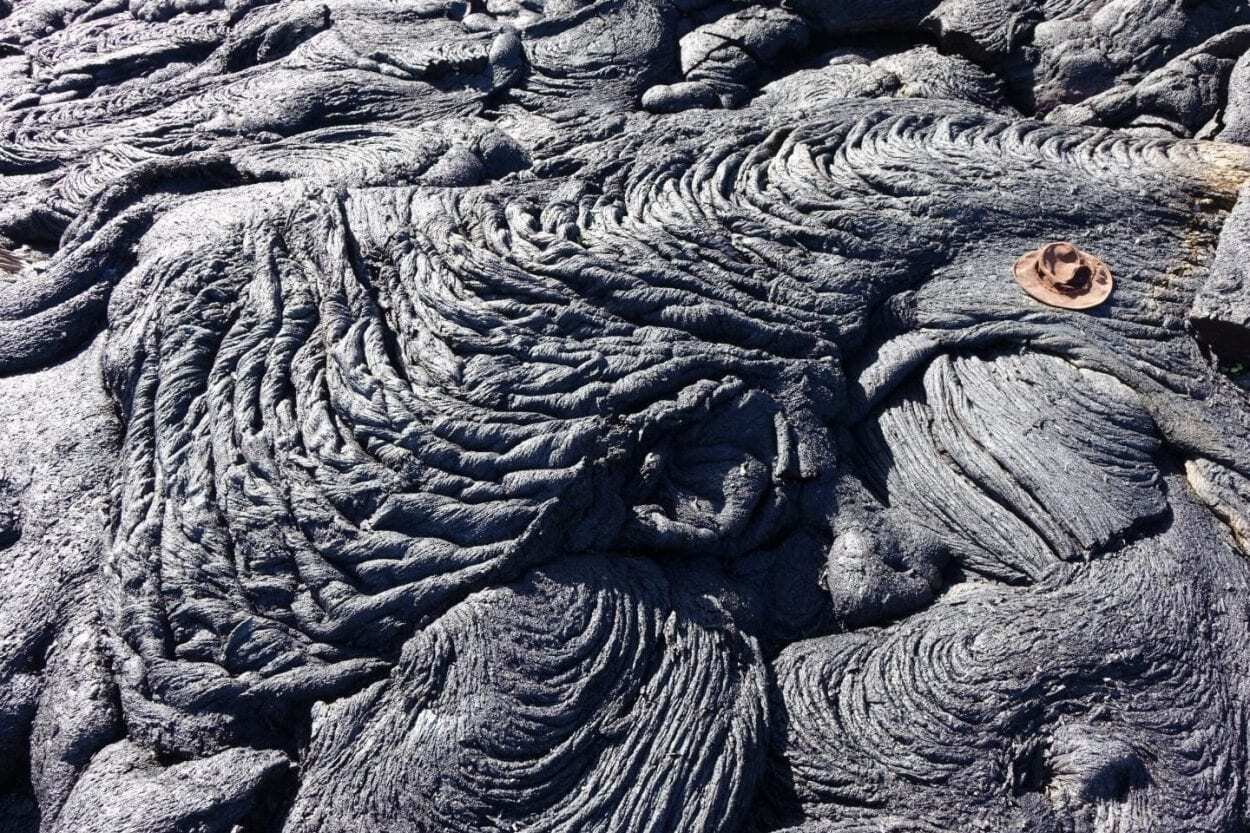
Remixed mantle suggests early start of plate tectonics
New Curtin University research on the remixing of Earth’s stratified deep interior suggests that global plate tectonic processes, which played a pivotal role in the existence of life on Earth, started to operate at least 3.2 billion years…
Continue Reading
-
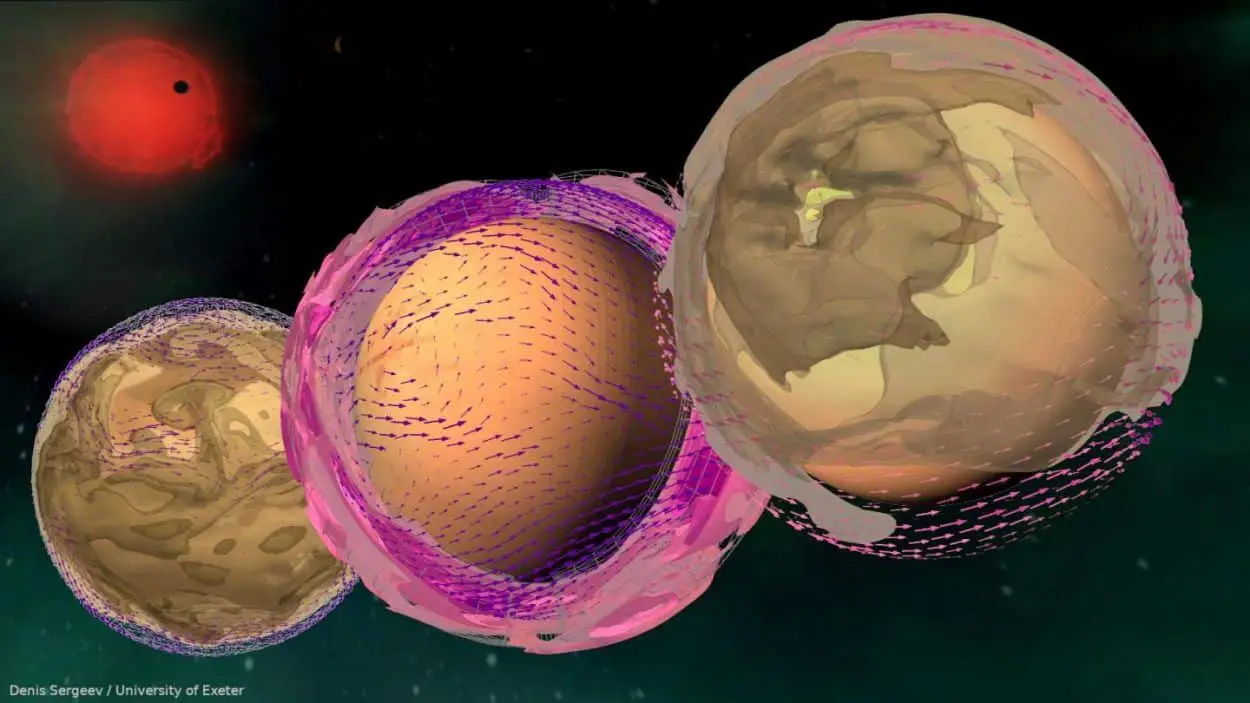
Presence of airborne dust could signify increased habitability of distant planets
Scientists have expanded our understanding of potentially habitable planets orbiting distant stars by including a critical climate component – the presence of airborne dust.
The researchers suggest that planets with significant airborne dust –…
Continue Reading
-
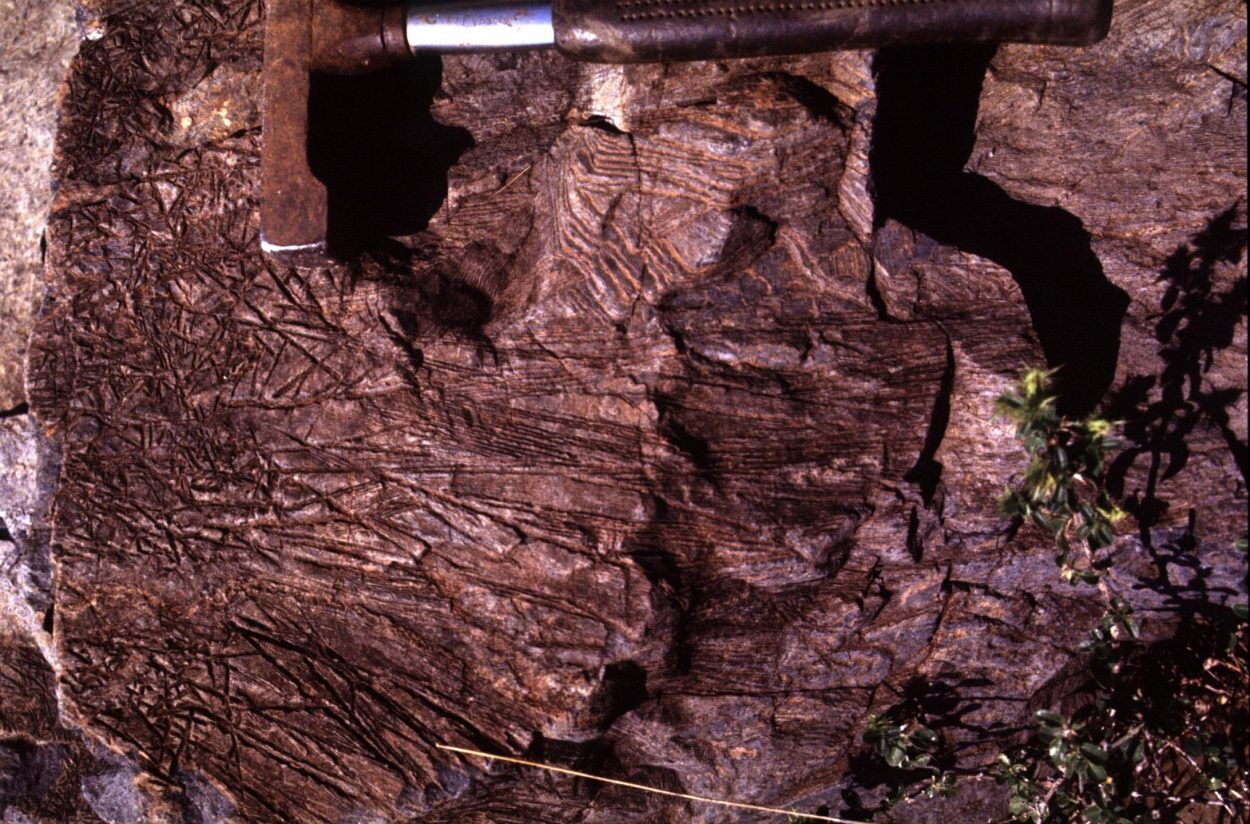
Volcanic activity and changes in Earth’s mantle were key to rise of atmospheric oxygen
Oxygen first accumulated in the Earth’s atmosphere about 2.4 billion years ago, during the Great Oxidation Event.
A long-standing puzzle has been that geologic clues suggest early bacteria were photosynthesizing and pumping out oxygen hundreds…
Continue Reading
-
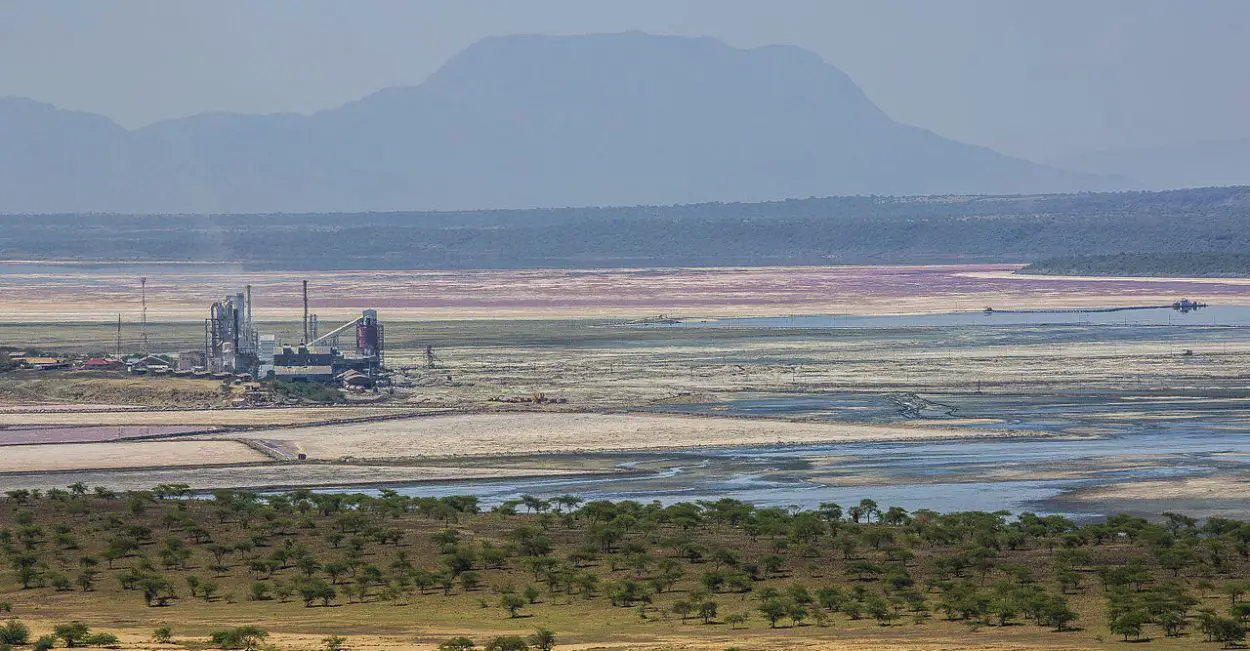
Weaker and stronger lithospheric regions cause the rotation of the Victoria microplate
The East African Rift System (EARS) is a newly forming plate tectonic boundary at which the African continent is being separated into several plates.
This is not a clean break. The system includes several rift arms and one or more smaller…
Continue Reading
-
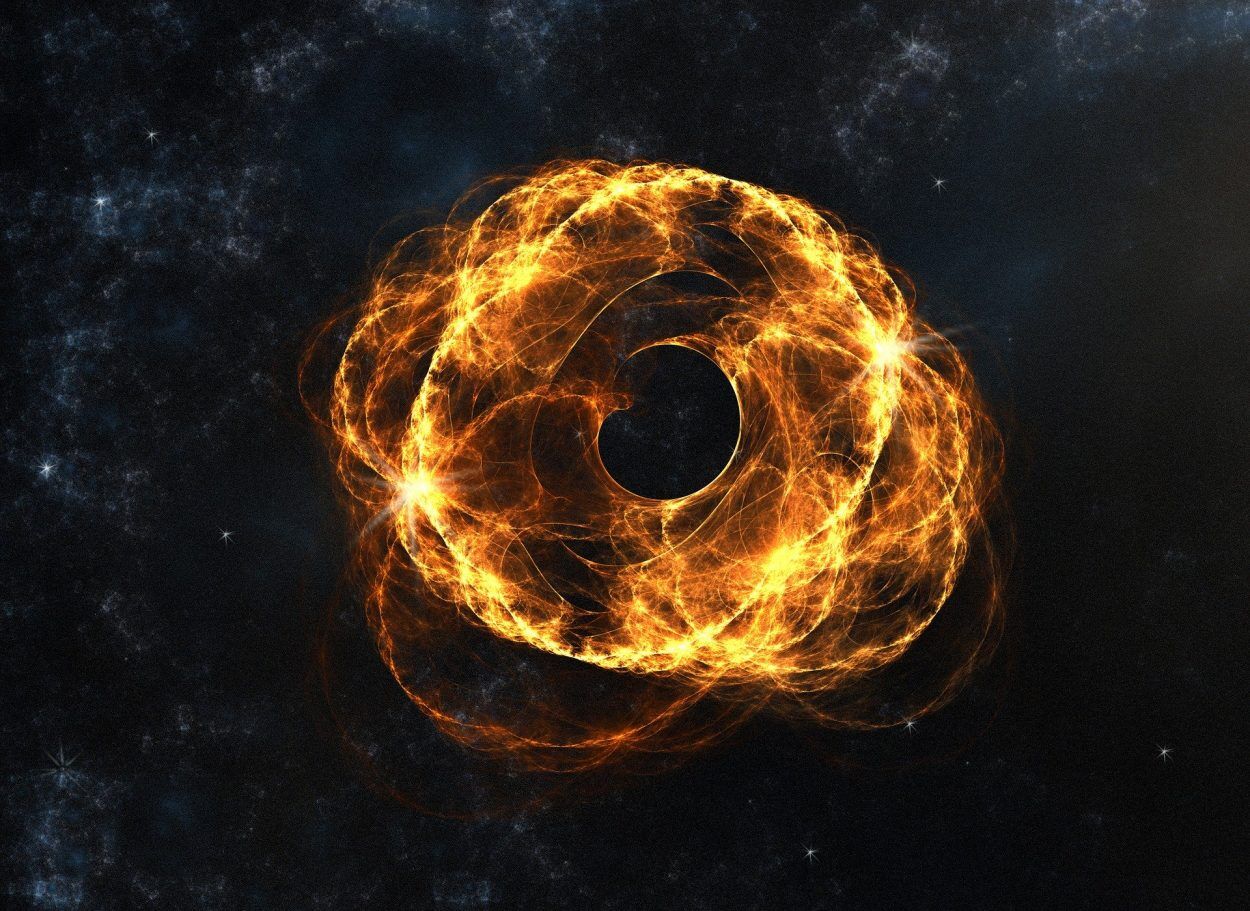
Cosmic quasars embrace 1970s fashion trend
Researchers from Russia, Germany, Finland and the U.S. have studied more than 300 quasars — spinning black holes that produce beams of plasma.
The team has found that the shape of these so-called astrophysical jets changes from parabolic to…
Continue Reading