Author: admin
-

using new archaeological techniques to uncover more about our past
Bournemouth University researchers are using new archaeological techniques and technologies to learn more about an iconic Islamic palace in Southern Spain.
Constructed in the mid-10th century, and abandoned in the 11th, the medieval palace city of…
Continue Reading
-
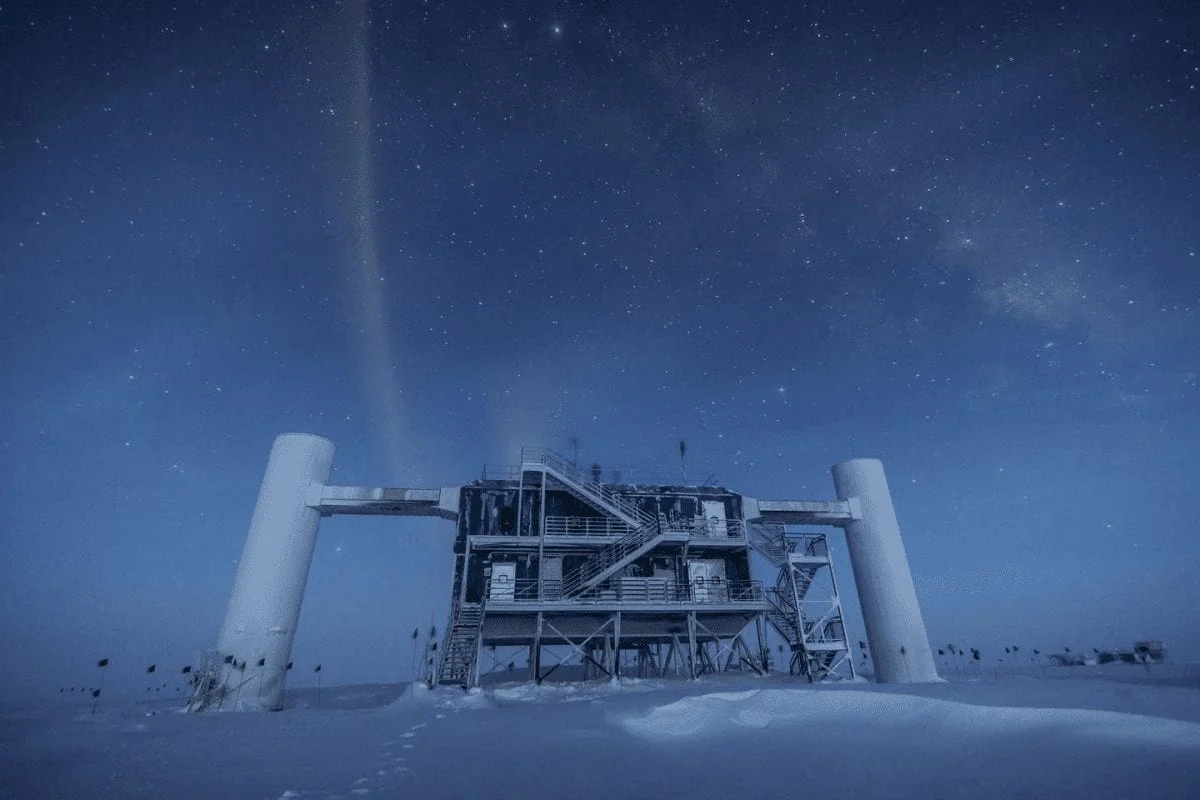
‘Ghost particles’ could improve understanding the universe
Trillions of neutrinos, or ghost particles, are passing through us every second. While scientists know this fact, they don’t know what role neutrinos play in the universe because they are devilishly hard to measure.
New measurements of neutrino…
Continue Reading
-

Paper spotlights key flaw in widely used radioisotope dating technique
An oversight in a radioisotope dating technique used to date everything from meteorites to geologic samples means that scientists have likely overestimated the age of many samples, according to new research from North Carolina State University.
To…
Continue Reading
-
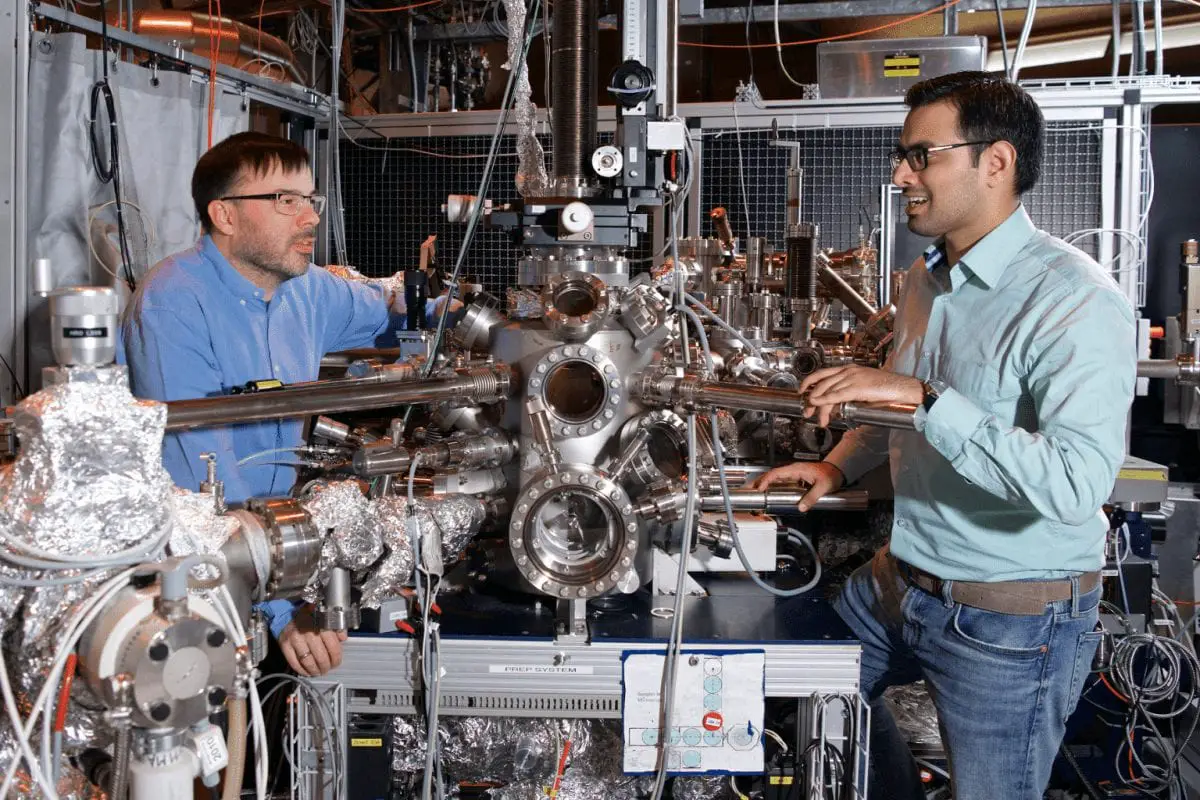
Nanotechnology enables new insights into chemical reactions
Eighty percent of all products of the chemical industry are manufactured with catalytic processes. Catalysis is also indispensable in energy conversion and treatment of exhaust gases.
It is important for these processes to run as quickly and…
Continue Reading
-
Theory that challenges Einstein’s physics could soon be put to the test
Scientists behind a theory that the speed of light is variable – and not constant as Einstein suggested – have made a prediction that could be tested.
Einstein observed that the speed of light remains the same in any situation, and this meant…
Continue Reading
-
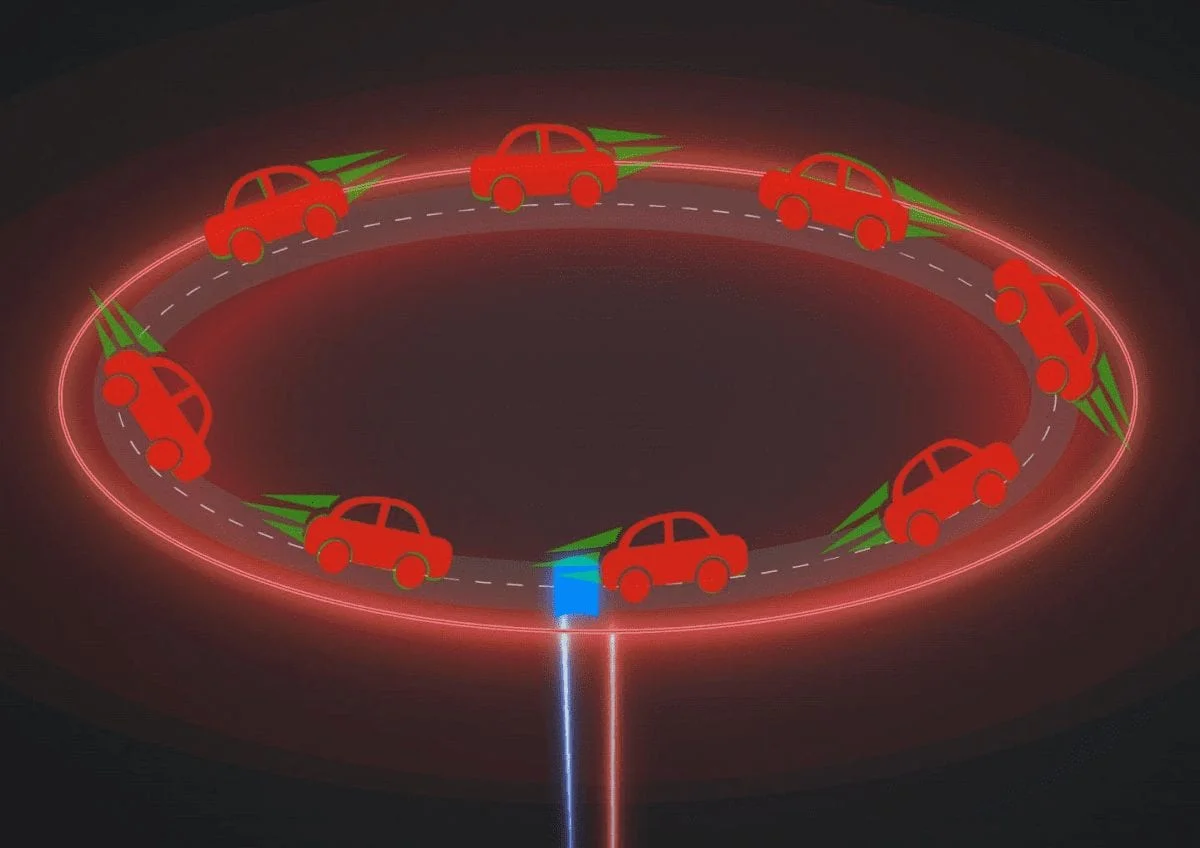
Atomic beltway could solve problems of cosmic gravity
When is a traffic jam not a traffic jam? When it’s a quantum traffic jam, of course. Only in quantum physics can traffic be standing still and moving at the same time.
A new theoretical paper from scientists at the National Institute of…
Continue Reading
-
Chemistry says Moon is proto-Earth’s mantle, relocated
Measurements of an element in Earth and Moon rocks have just disproved the leading hypotheses for the origin of the Moon.
Tiny differences in the segregation of the isotopes of potassium between the Moon and Earth were hidden below the detection…
Continue Reading
-
World’s most sensitive dark matter detector completes search
The Large Underground Xenon (LUX) dark matter experiment, which operates beneath a mile of rock at the Sanford Underground Research Facility in the Black Hills of South Dakota, has completed its silent search for the missing matter of the…
Continue Reading
-
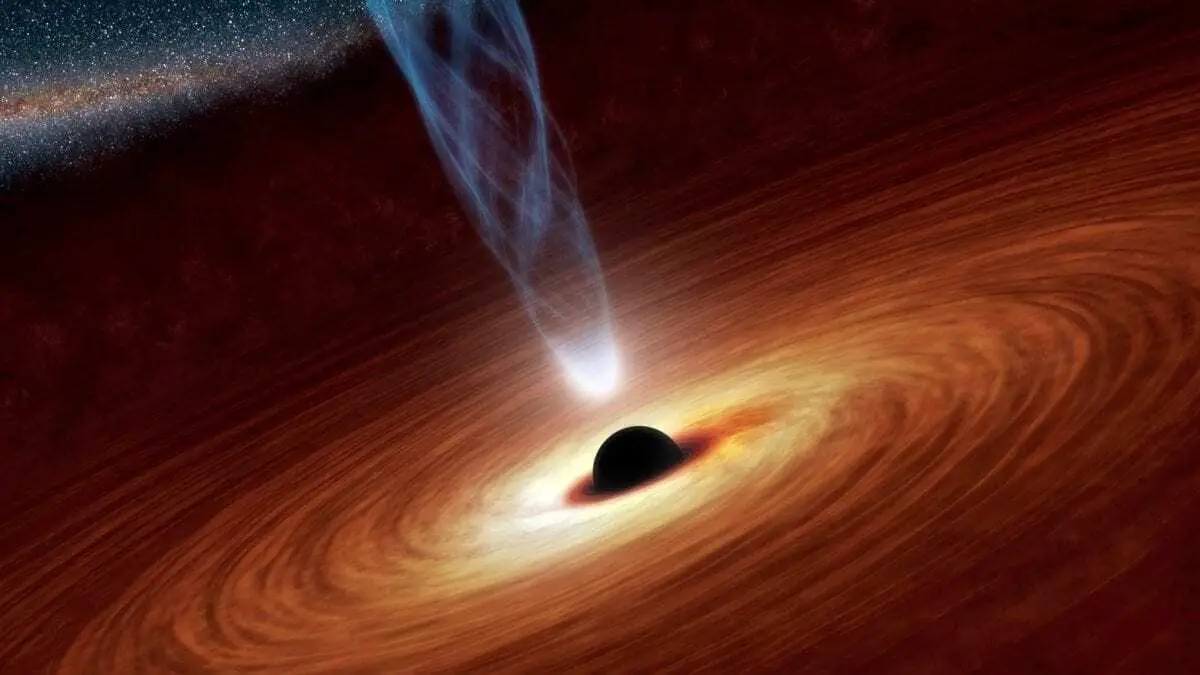
Dutch researchers prove existence of gravitational vortex
An international team of researchers, which includes 4 astronomers from the University of Amsterdam, has proven the existence of a gravitational vortex surrounding a black hole.
This discovery explains a mystery that has perplexed astronomers for…
Continue Reading