

When…

New research from St. Michael’s hospital found patients from the lowest-income areas in Ontario had a 43% higher chance of dying within 30 days of surgery compared to those from the highest-income areas in the province.
At half the size of Earth and one-tenth its mass, Mars is a featherweight as far as planets go. Yet new research reveals the extent to which Mars is quietly tugging on Earth’s orbit and shaping the cycles that drive long-term climate patterns…

Newly published interdisciplinary research led by the University of Tennessee, Knoxville, and University of Maryland shows that viral infection of blue-green algae in the ocean stimulates productivity in the ecosystem and contributes to a rich…
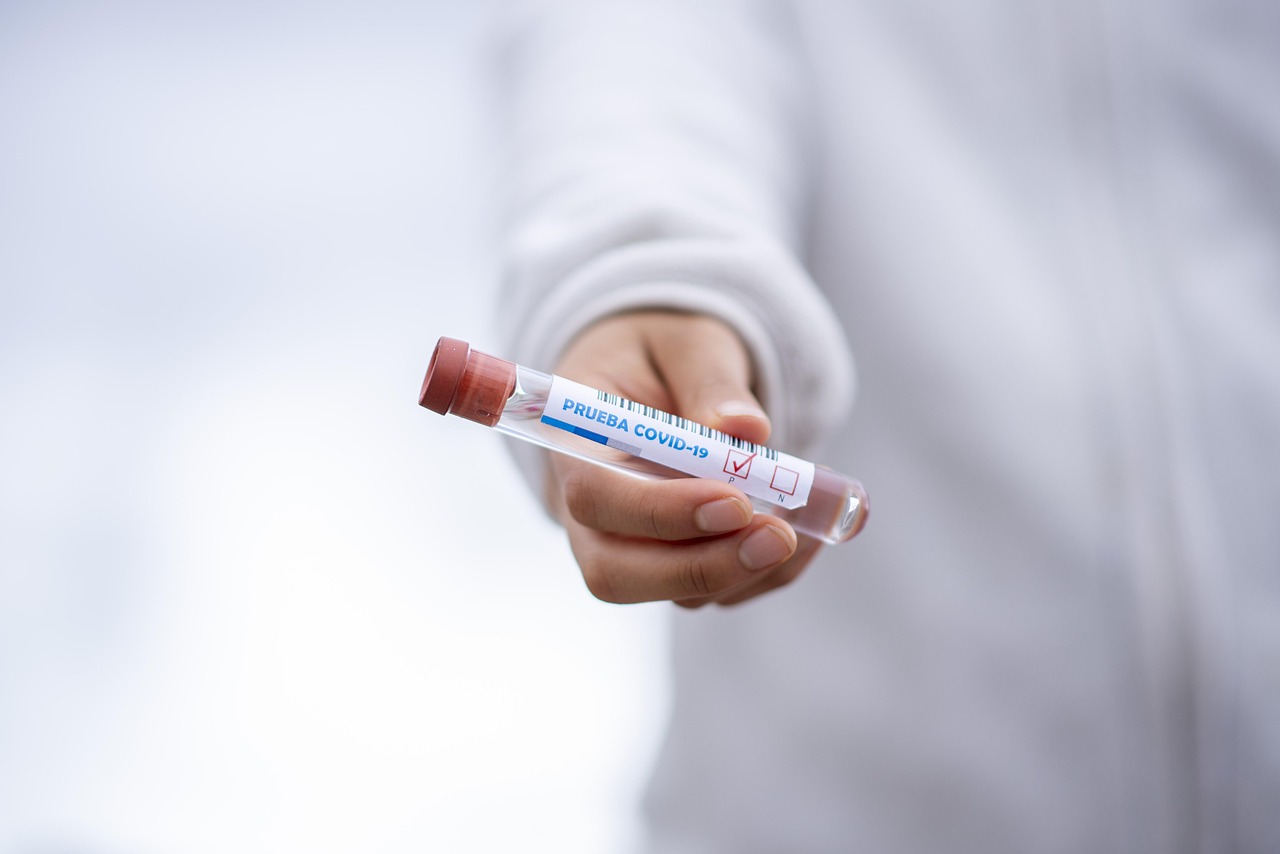
For patients with human epidermal growth factor receptor 2-positive (HER2-positive) metastatic or locally advanced unresected gastroesophageal adenocarcinoma (mGEA), zanidatamab and chemotherapy, with or without tislelizumab, may prolong survival…

There has been an undeniable but (so far) inexplicable rise in colorectal — or bowel — cancer among younger people. Potential explanations involving E. coli and unprocessed food have been put forward, but as of yet, there is no definitive…

Azelaic acid is a renewable monomer used in the production of lubricants, polymers, and skincare. While conventionally produced via the energy-intensive ozonolysis of oleic acid, recent advances enable its production from high-oleic vegetable oil…

Once a towering giant of Antarctic ice, Iceberg A-23A is now riddled with pools of vivid blue meltwater as it drifts through the South Atlantic. Scientists say these watery blues are a sign that one of the longest-lived icebergs ever tracked may…
An international team of researchers has uncovered hidden clues about life in the hills of ancient southwest Samos, Greece.
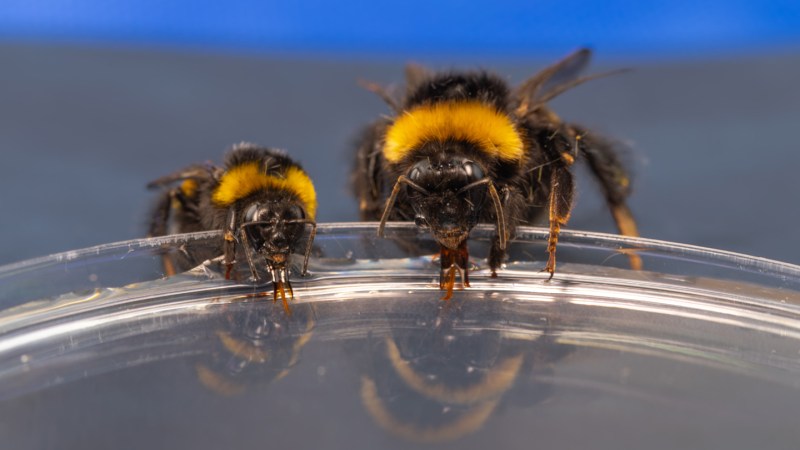
The density of fine hairs on bumblebees’ tongues determines how much nectar they can collect — and workers put queen bees to shame.