For the first time, scientists have built a detailed, interactive map of a human cell, revealing how thousands of proteins organize and work together. Using advanced imaging and AI tools like GPT-4, they uncovered hundreds of previously unknown…
Category: 5. Biology
-
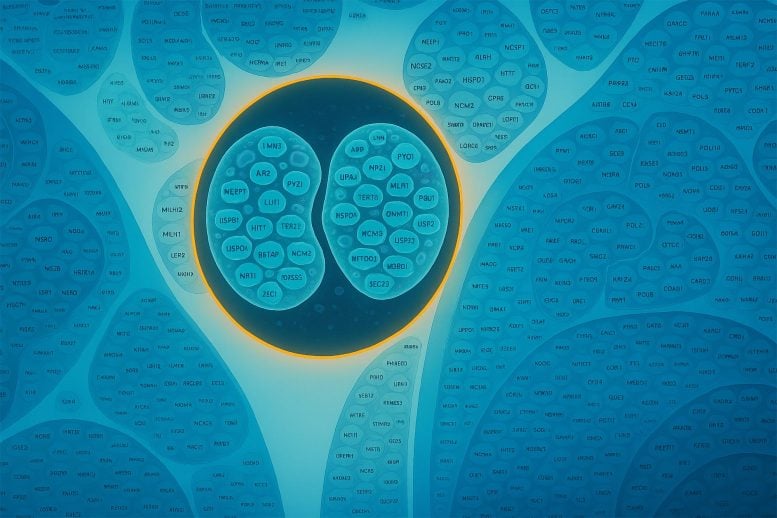
The Most Detailed Map of the Human Cell Ever Made – Powered by AI and Imaging
-

Small Human Study Reveals Probiotics Boost Mood
The microbes in the human gut perform many important roles, and there are many beneficial, helpful microorganisms in the human gut microbiome. That microbiome is also directly connected to the brain by the…
Continue Reading
-
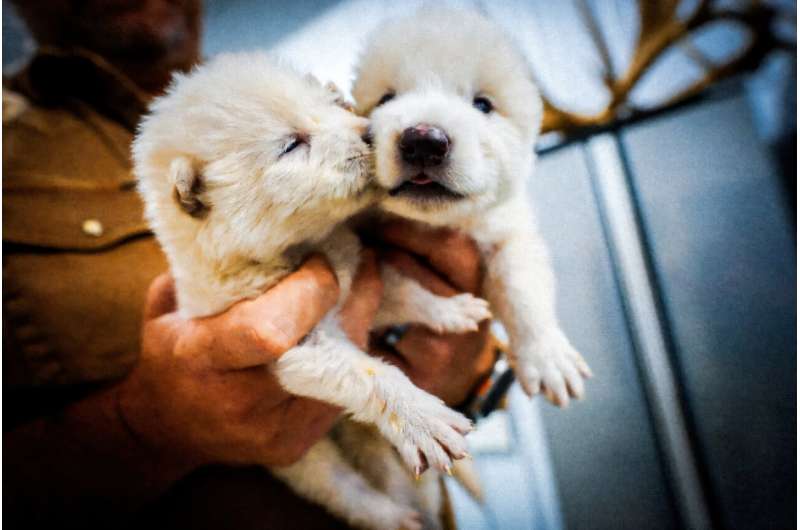
US firm says it brought back extinct dire wolves
A Texas startup called Colossal Biosciences made a big splash this week by releasing footage of canines they say are dire wolves, a species that vanished more than 12,000 years… Continue Reading
-

The Ice-Defying Science Behind Cherry Trees’ Supercooling Survival
In the chilly winters of British Columbia, sweet cherry trees employ a fascinating survival trick called supercooling, allowing their flower buds to stay unfrozen even in sub-zero temperatures. But this delicate balance can be shattered by a…
Continue Reading
-
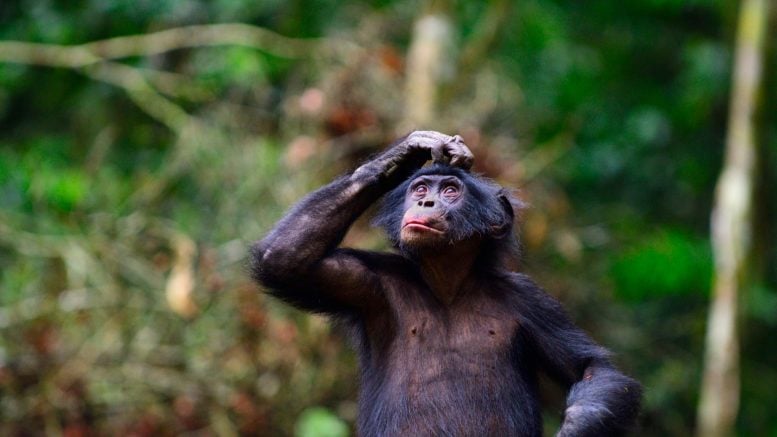
Bonobos Speak in Phrases: New Study Challenges Uniqueness of Human Language
Bonobos form vocal combinations that reflect structured meaning, suggesting language-like traits evolved millions of years ago. Bonobos, our closest living relatives, produce intricate and meaningful call combinations that resemble how humans…
Continue Reading
-
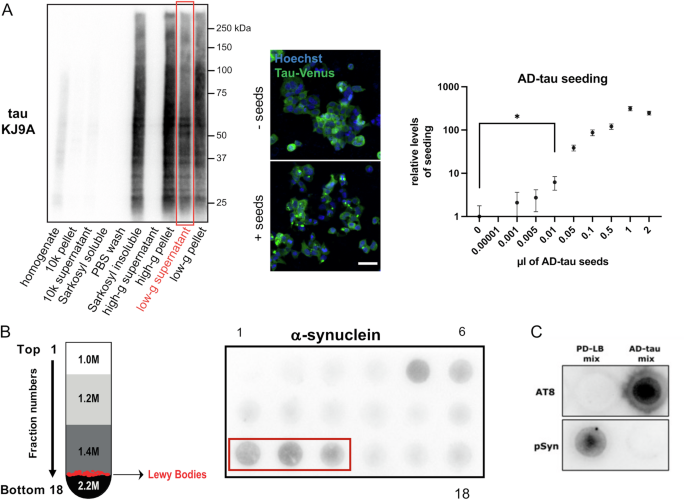
Additive effect of distant Lewy bodies and tau seeds injections on nigral degeneration in macaques
Extraction and purification of tau seeds and LB from AD and PD brains
Pathological sarkosyl-insoluble AD tau proteopathic seeds (AD-tau) were provided by the IMPRiND consortium (https://www.imprind.org/), following a protocol adapted from Guo et…
Continue Reading
-
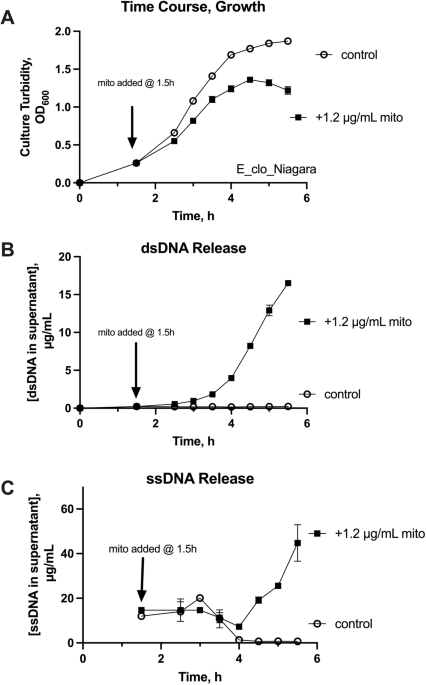
Rapid assembly of biofilms from DNA released by SOS-inducing drugs in enteric bacteria
One of our goals in this project was to determine the mechanism(s) by which DNA is released from the bacterial cell in response to SOS-inducing drugs. Our previous work showed that SOS-inducers triggered prominent bacterial aggregation, with the…
Continue Reading
-
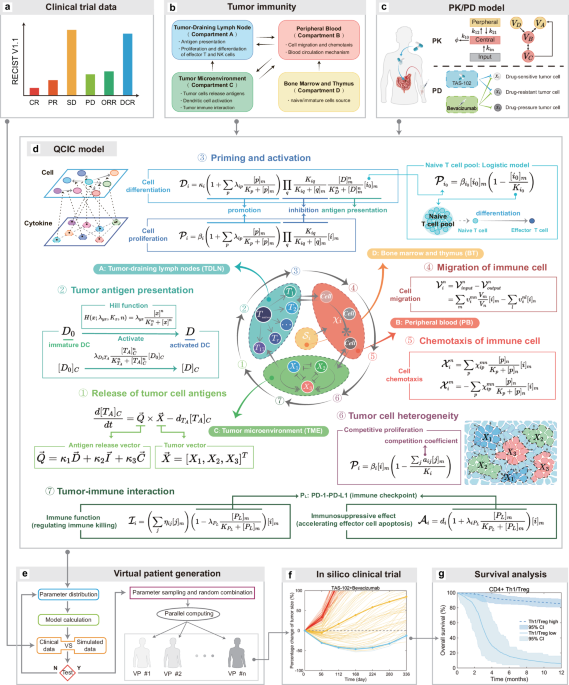
Quantitative cancer-immunity cycle modeling for predicting disease progression in advanced metastatic colorectal cancer
Quantitative cancer-immunity cycle model
In this study, we developed a mathematical model based on the cancer-immunity cycle theory, termed the QCIC model, to quantitatively describe the dynamic evolution of mCRC7,8,9. The QCIC model was…
Continue Reading
-
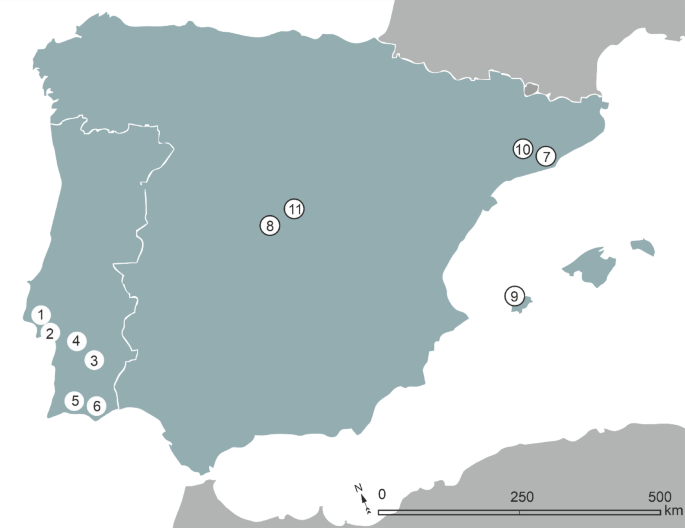
Child-mother relationships and childhood dietary patterns in the Iberian Peninsula uncovered by Bayesian isotopic approaches
Baxter, J. E. The archaeology of childhood. Annu. Rev. Anthropol. 37, 159–175 (2008).
Google Scholar
Crawford, S., Hadley, D. & Shepherd, G. The Oxford Handbook of the Archaeology of Childhood…
Continue Reading
-
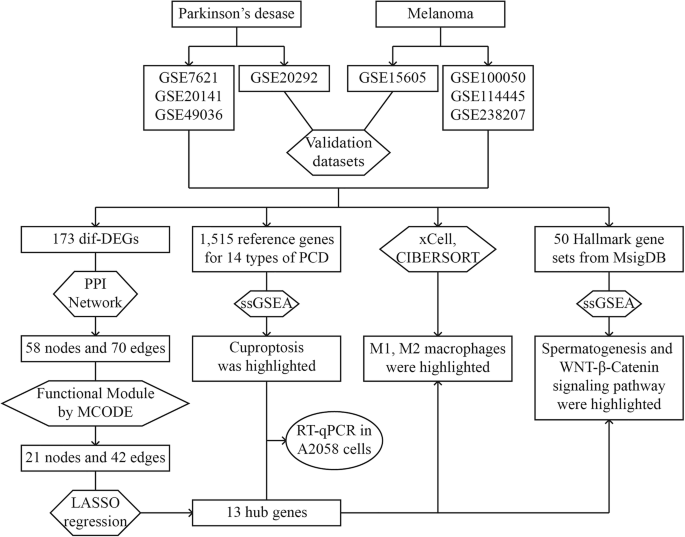
Linking Parkinson’s disease and melanoma: the impact of copper-driven cuproptosis and related mechanisms
Characteristics of datasets
The study methodology is illustrated in Fig. 1, summarizing the analysis of six datasets from the GEO database. This includes three datasets for PD: GSE7621, GSE20141, and GSE49036, and three for melanoma: GSE100050,…
Continue Reading